
Is It Safe to Travel to Jordan Right Now?
This is the single most common question anyone researching a Jordan trip types into a search bar, and the honest answer depends on the day you are reading it. Here is the real picture as of August 2026, where it comes from, and how to check the current numbers yourself before you book.
Booking Choice: Private Petra Main Trail takes 2–3 hours, starting in Petra / Wadi Musa. Explore This Option
General starting recommendation. Petra admission, hotel drop-off and Monastery hike excluded. About 6 km of walking; moderate fitness.
We may earn a commission when you book through these links.
Any article claiming a permanent yes-or-no answer to this question is guessing. Travel advisories move with the news cycle. This page was checked on 11 September 2026; use the current official advice when deciding whether to travel.
What does Jordan's travel advisory say right now?
As checked on 11 September 2026, the UK FCDO advises against all travel within 3 km of Jordan’s Syria border and describes continuing regional tensions, including recent attacks and interceptions around Aqaba. Other governments publish their own advice. Read the current official advisory for your nationality and route; a bookable tour is not evidence of safety.
The US State Department's Jordan advisory and the UK's Jordan travel advice are both official, both free to check, and both updated far faster than any article can keep up with. If you are planning a trip, read them yourself the week you book and again the week you fly. That is not a disclaimer, it is genuinely the most useful thing this page can tell you.
What has actually happened, and where?
Regional attacks and interceptions can affect Jordan, with consequences for flights, airspace and local movement. The FCDO’s 10 September update reports renewed attacks and interceptions in and around Aqaba in early September.
The earlier dated incident timeline could not be substantiated against the current official advice and has been removed. Follow the advisory’s latest update and local instructions rather than relying on an old chronology.
| Check Before Travel | Why It Matters |
|---|---|
| Government advisory | Regional risks and excluded areas change. |
| Airline and border status | Flights, airspace and crossings can change at short notice. |
| Insurance and cancellation terms | Coverage depends on the policy and travel advice. |
Where specifically do the advisories say to avoid?
The UK FCDO specifically advises against all travel within 3 km of the Syria border. Do not assume all governments use the same boundaries or risk categories. Check your own government’s complete country and regional guidance, including advice relevant to Aqaba and border crossings.
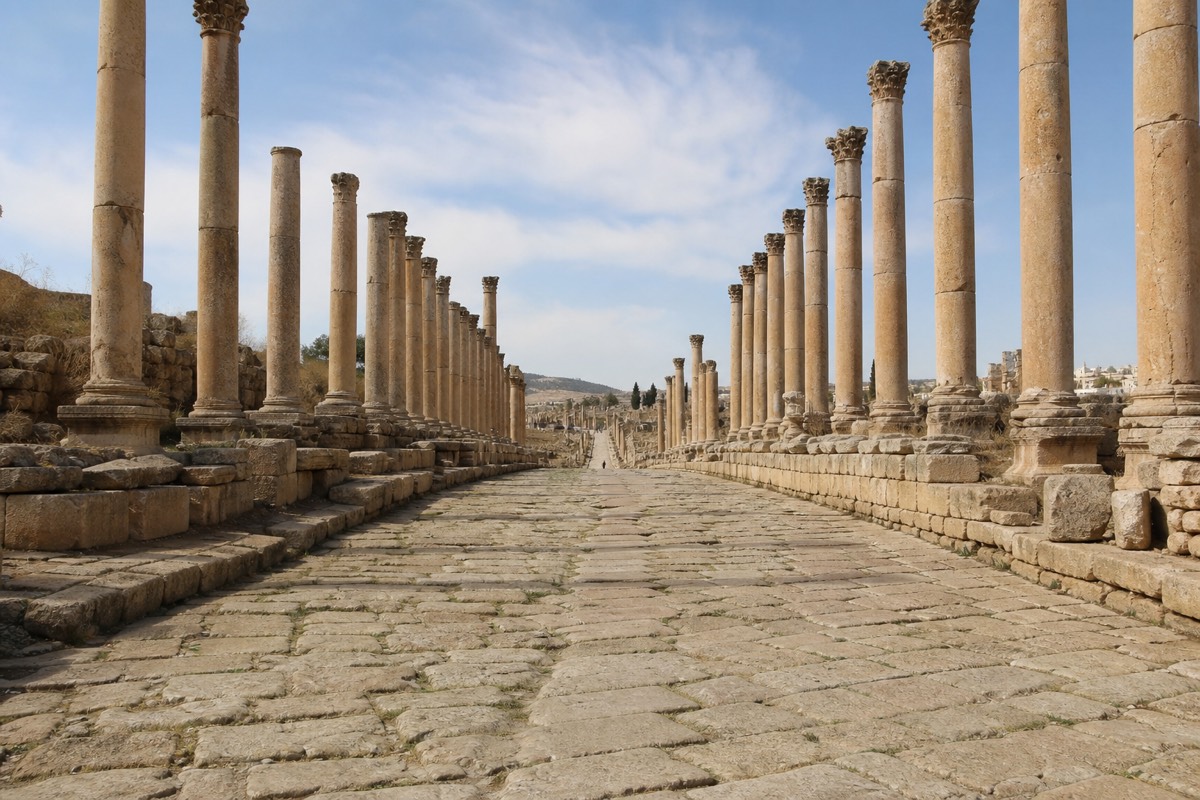
Petra is geographically distant from the Syria border, but that does not remove regional disruption, flight or security risks. For a route including Aqaba, read the advisory’s current wording for that area specifically before booking.
So is it actually safe to go right now?
There is no single honest yes-or-no answer to that question this month. It depends on the news on the day you read this, which part of Jordan your itinerary covers, and your own tolerance for a fluid regional situation, which is exactly why the official advisories exist and why checking them close to your travel date matters more than any single article, including this one. Practically: read the current advisory before booking, read it again the week before you fly, ask your operator directly about current conditions on your route, and favor listings with a genuine free-cancellation window so your plans can flex if the situation shifts again.
What about everyday safety, separate from the regional conflict?
This is a different, older question, and worth answering on its own terms. Independent of the 2026 regional situation, Jordan has a long tourism track record: Petra is patrolled by tourism police during opening hours, and the risks that show up most often for visitors, historically, are heat, sun exposure, dehydration and uneven rocky ground, not crime. Solo travelers, including women, have generally reported feeling welcome and looked after by guides and hosts. Amman's own safety and logistics questions get a fuller answer in the guide to spending time in the capital, and what to wear in Jordan covers the practical, non-emergency side of blending in comfortably. None of that baseline record cancels out the current regional advisory above. Both things are true at once, and a good trip decision weighs both.
Whatever you decide, make the call with the actual, current advisory in front of you, not a guess pieced together from old articles. If the picture looks clear when you are ready to book, Petra Jordan Tours lines up the operators running these routes, and most listings carry a free-cancellation window so your plans can move if the regional situation shifts again before your date.