
Is Petra Worth Visiting? An Honest Answer
Every ancient wonder attracts a share of visitors who leave unimpressed, and Petra is no exception, so the fair question is not whether it is famous but whether the reality holds up once you are standing in the Siq with sore feet and a bottle of warm water. Here is the honest version, weighed against what the site actually is rather than what the postcard promises.
Booking Choice: Private Petra Main Trail takes 2–3 hours, starting in Petra / Wadi Musa. Explore This Option
General starting recommendation. Petra admission, hotel drop-off and Monastery hike excluded. About 6 km of walking; moderate fitness.
We may earn a commission when you book through these links.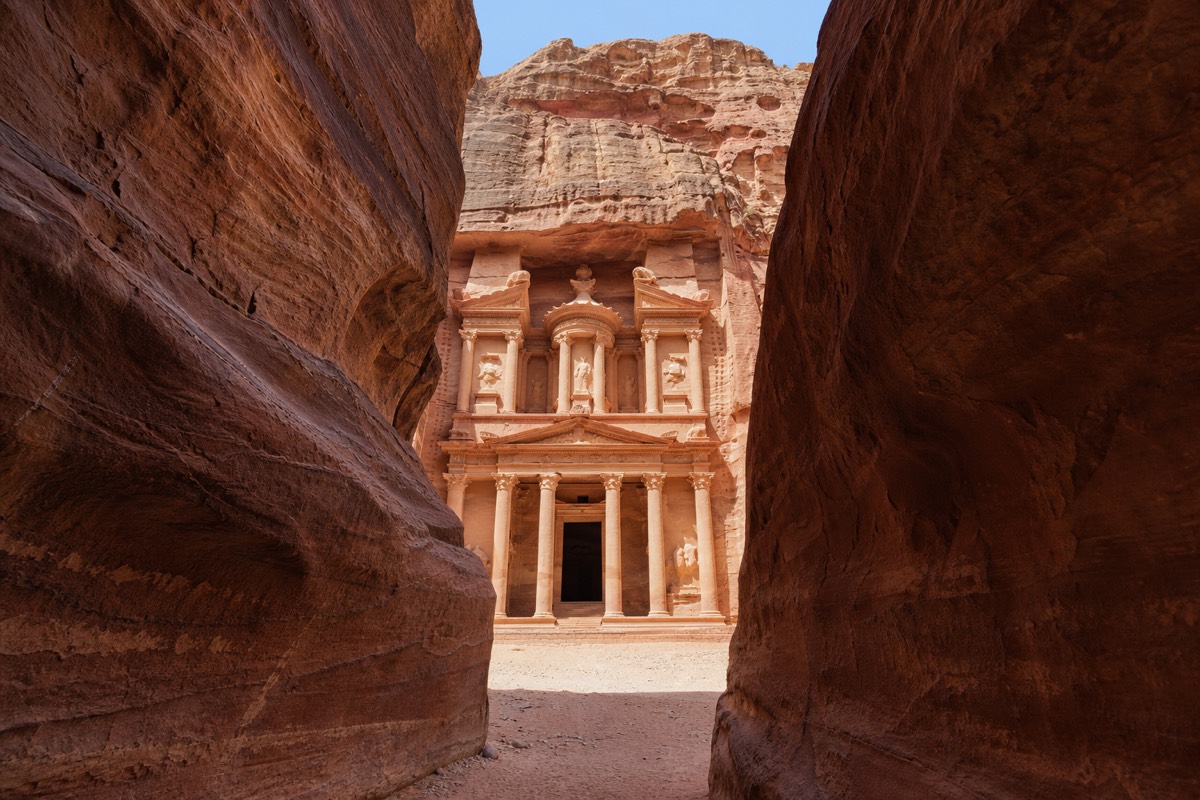
Is Petra actually worth visiting? The honest answer.
Yes, for the large majority of travelers Petra earns its reputation: a genuine 2,000-year-old city carved directly into rose-red sandstone cliffs, a UNESCO World Heritage Site and one of the New Seven Wonders of the World, where walking through the narrow Siq to the Treasury's sudden reveal is one of the few famous-view moments that photographs consistently undersell rather than oversell.
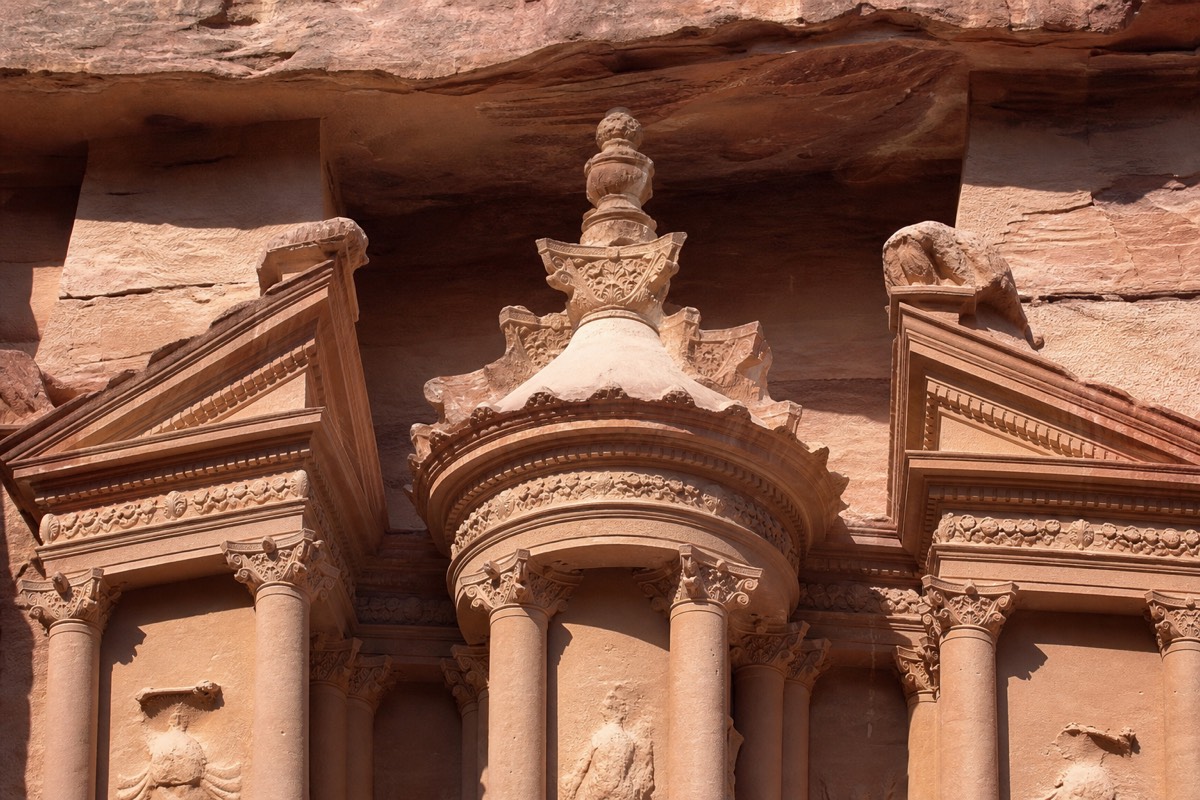
That is a specific claim, not enthusiasm for its own sake. Petra's Nabataean builders carved water channels, temples and hundreds of tomb facades into a canyon system that still functions as a piece of engineering two millennia on, and the site carries both UNESCO World Heritage status and a place on the official New7Wonders of the World list from the 2007 global vote. Neither designation is a marketing label; both reflect independent evaluation of the site on its own merits.
What makes Petra different from other famous ruins?
Scale and reveal. Petra covers more than 100 square kilometers, so the handful of monuments in every photo, the Treasury, the Monastery, the Royal Tombs, are a small fraction of a much larger carved city, and you reach the most famous of them by walking through a natural rock gorge that hides the view until the very last turn.
That entrance matters more than most people expect going in. The Siq runs over a kilometer through narrowing sandstone, its walls climbing as high as 80 meters and pinching to as little as 3 meters across in places, and the Treasury only appears once you round the final bend and the canyon suddenly opens. Most famous landmarks let you see them coming from a distance. Petra does not, and that is a large part of why the first sight of it tends to land harder than the pictures suggest it will.
Who might actually be disappointed by Petra?
Travelers expecting fully furnished temple interiors, anyone with significant mobility limitations, and visitors hoping to see the whole site in an hour or two are the ones most likely to leave underwhelmed. Most of Petra's famous facades are exactly that, carved cliff faces rather than multi-room buildings, and seeing them properly takes real walking on uneven, sun-exposed ground.
Set expectations honestly and this mostly resolves itself. The Treasury and the Monastery are facades, not interiors you tour room by room; a full day inside the site runs 6 to 8 hours of walking on stone paths and sand in desert heat; and the entrance fee, while it funds a genuinely vast protected site, is real money for a single day out. None of that makes Petra not worth visiting, but a traveler who dislikes walking, heat or crowds should plan around those facts rather than be surprised by them on the day.
Does Petra actually live up to the photos, or is it overhyped?
It holds up better than most heavily photographed sites, mainly because the single Treasury photo everyone has seen is only the first stretch of a much bigger site that rarely fits into one frame. The parts that do not photograph well, the scale of the Siq, the sound of your own footsteps in the canyon, the heat radiating off the rock, are exactly the parts visitors tend to describe as the real payoff.
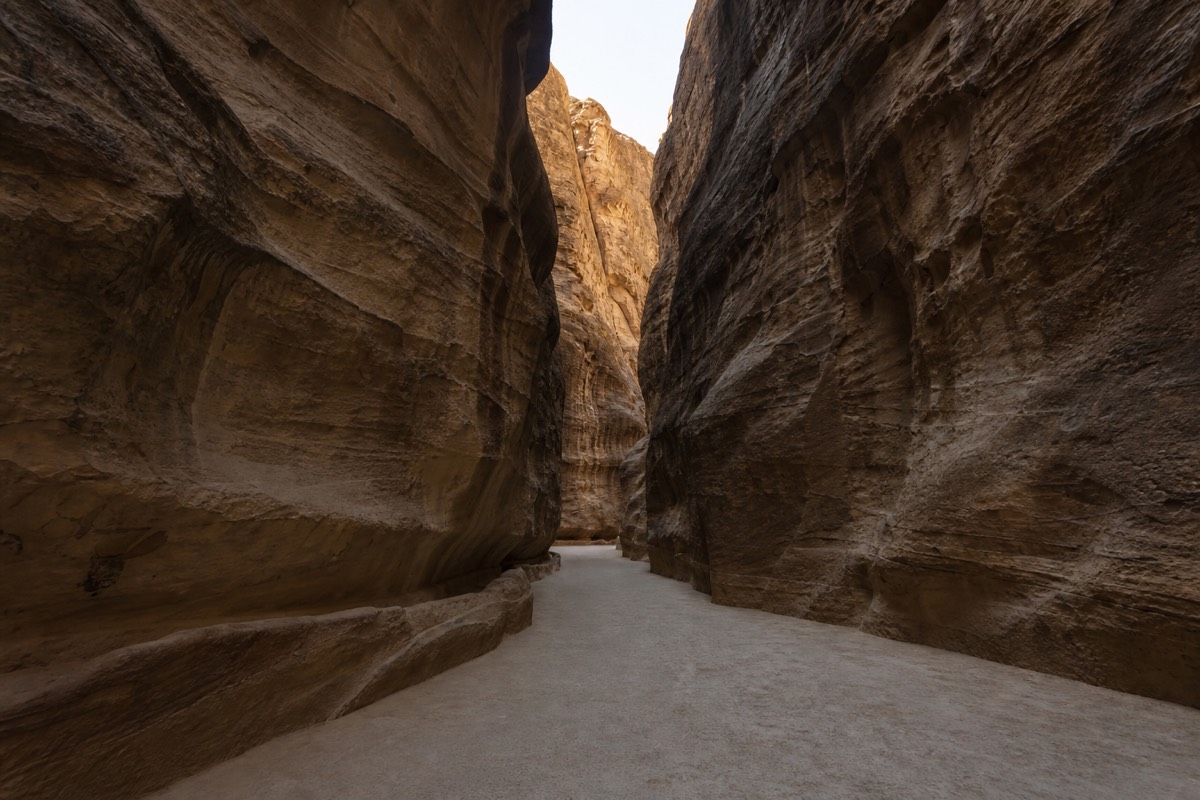
What social media compresses into a single image is, on the ground, an hour of walking before the reveal and several more hours of exploring afterward. That gap between the famous photo and the full multi-hour experience is where most "overrated" complaints about landmarks tend to come from, and it is also where Petra outperforms expectations rather than undercuts them, simply because there is so much more site beyond the frame.
Is Petra worth it if you only have one day?
Yes. A single full day covers the Siq, the Treasury, the Street of Facades, the Roman Theatre and the Royal Tombs comfortably, with the Monastery's 800-step climb possible too if you start early and keep a reasonable pace. Exactly how much of Petra one day gets through, and when a second day genuinely helps, is its own question, answered in full in how many days you actually need at Petra.
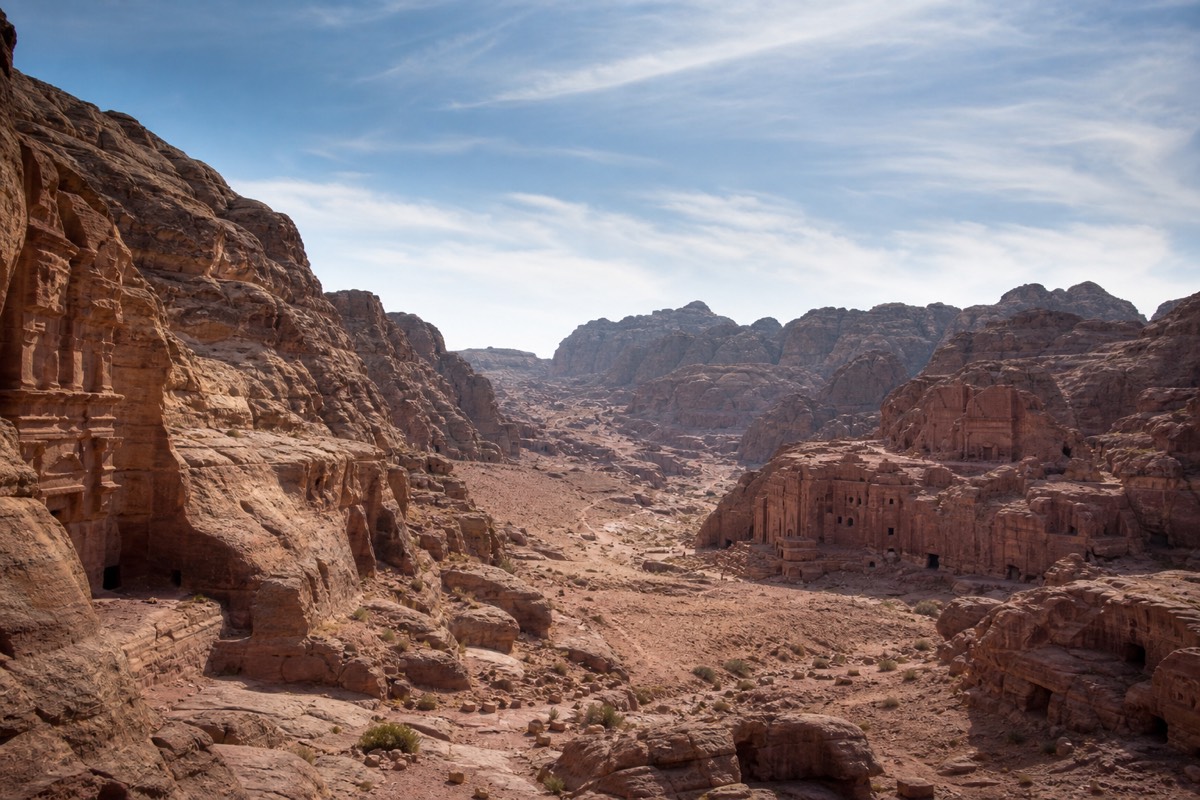
Most travelers, including most people booking the standard day trip from Amman, do exactly this: one full day, no overnight required. It is a long day of walking and a long day of driving if coming from Amman, but it is not a rushed one if you start at opening time.
| Petra, in numbers | Figure |
|---|---|
| Total protected area | Over 100 sq km |
| The Siq (entrance canyon) | 1.2 km long, walls up to 80 m high |
| Entrance fee | 50 JOD (~$70) per day, included on guided tours |
| Recognitions | UNESCO World Heritage Site; New7Wonders of the World (2007) |
So, is Petra worth visiting?
For nearly everyone willing to spend a day walking in the desert sun, yes, clearly. It is one of a small number of sites where the reputation and the reality actually match, built by people solving real engineering problems two thousand years ago in a canyon that still hides, then reveals, one of the most photographed facades on Earth. For the practical side of the visit, exactly what you will see and in what order, the walk through the Siq to the Treasury is covered step by step separately. The honest verdict is simple: go, walk slowly, and let the canyon do what it has done for every visitor since the site reopened to modern tourism. Petra Jordan Tours lines up the guided trips that get you there and back without you having to plan the drive yourself.