
Movies Filmed in Wadi Rum: Star Wars, Dune, The Martian & More
Wadi Rum has played Mars, a Star Wars desert moon, Arrakis, and its own alien-looking self in more films than most travelers realize. This guide lists only the films independently verified against reputable sources, what each one used the desert to represent, and where you can actually see the landscape that stood in for another world.
Booking Choice: Wadi Rum Jeep Day And Bedouin Night takes full day + overnight, starting in Wadi Rum. Explore This Option
General starting recommendation. Arrange arrival at Wadi Rum Village. Visitor Centre transfer costs extra. No bubble tent or telescope session promised.
We may earn a commission when you book through these links.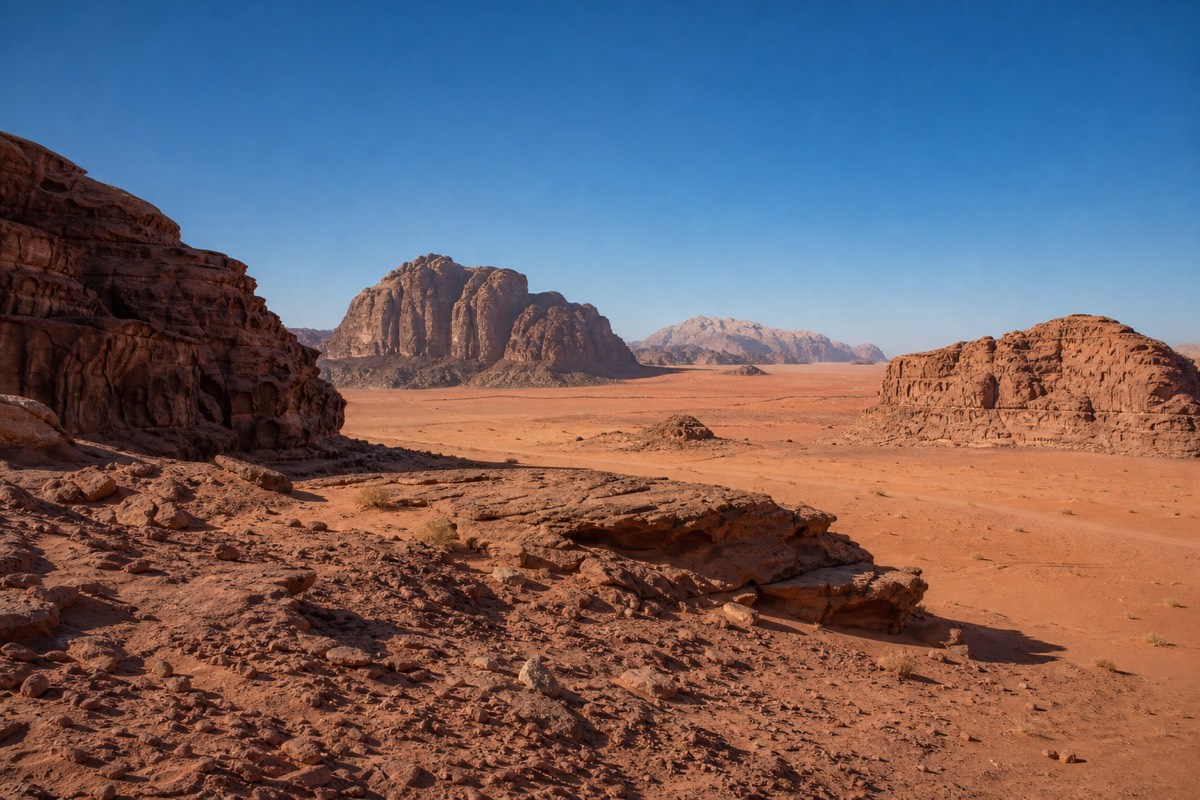
Long before Ridley Scott or Denis Villeneuve pointed a camera at it, Wadi Rum was doing something no set designer could fake: red sandstone valleys, towering rock formations and a horizon with nothing recognizably Earth-like on it. That is exactly why it keeps getting cast as somewhere else entirely. Below is the verified list, not a guess based on what sounds plausible, since plenty of titles get repeated online without ever actually being confirmed against a real source.
Why do filmmakers keep choosing Wadi Rum?
Wadi Rum offers a genuinely alien-looking landscape without requiring a studio to build one: towering sandstone mountains, natural arches, and vast open valleys in shades of red and orange that read on camera as an actual other planet, not an obvious Earth desert dressed up with effects.
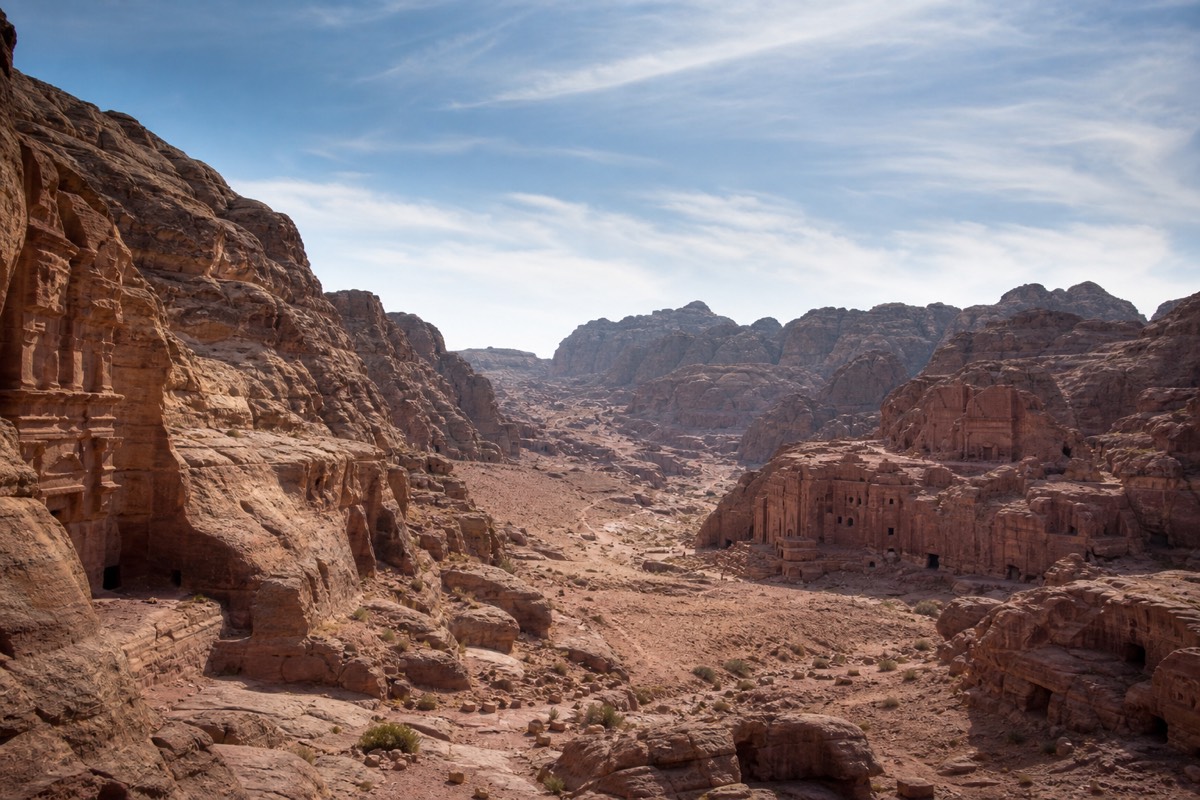
Practically, that saves productions enormous amounts of visual-effects work. A director can point a camera at Wadi Rum's real rock formations and get a shot that would otherwise require extensive CGI, which is precisely why science-fiction productions return to it again and again rather than building the world entirely on a soundstage.
There is also a simple logistics argument. Wadi Rum is accessible by road, sits within a short drive of Aqaba's airport and port facilities for equipment, and has decades of experience hosting film crews going back to Lawrence of Arabia, so the local infrastructure and expertise for supporting a production already exists. A director gets an alien-looking landscape without the cost and risk of shooting somewhere genuinely remote.
How big is Jordan's film industry because of locations like this?
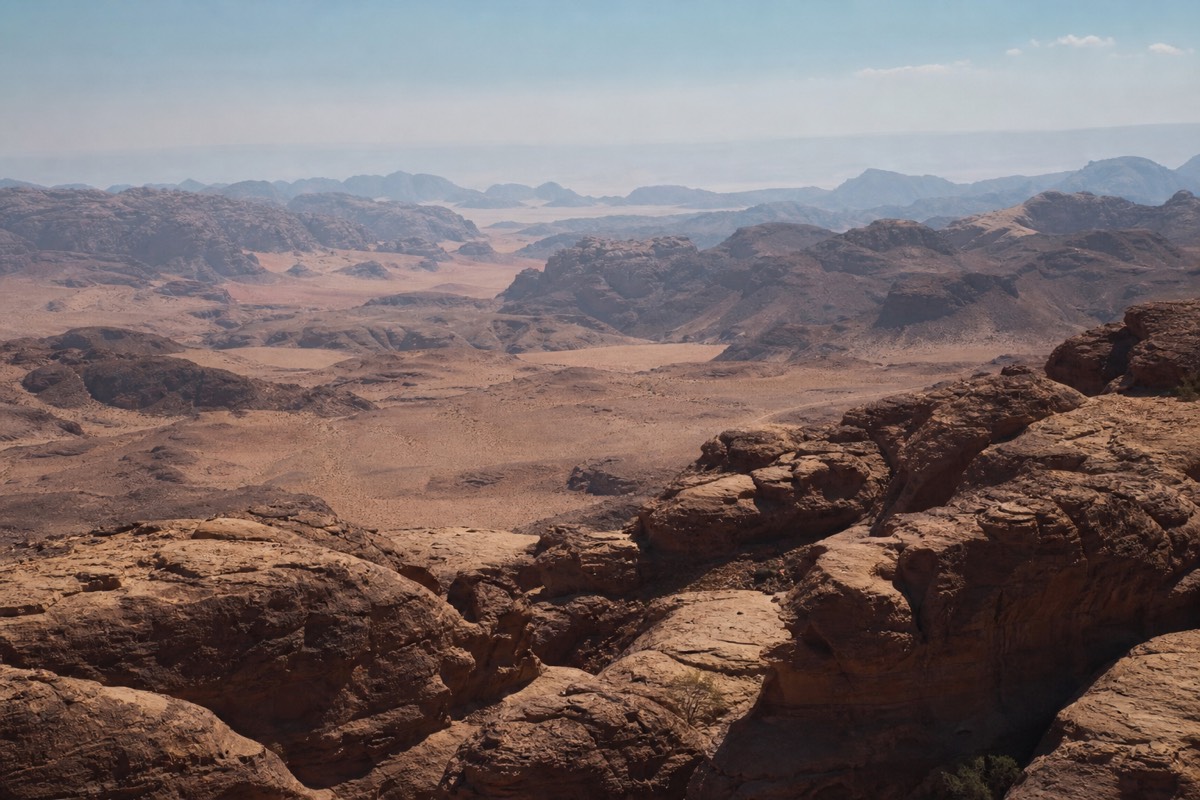
Jordan has built a genuine, ongoing film industry around locations like Wadi Rum, with major international productions returning repeatedly across six decades, from Lawrence of Arabia in 1962 through the Dune films in the 2020s. That continuity has turned location scouting and production support into an established local specialty rather than a one-off novelty.
According to Variety's coverage of Jordan's film production history, the country has positioned itself as a recurring destination for productions that need a real, dramatic desert rather than a digitally built one, with Wadi Rum as the centerpiece of that pitch. Every film on the verified list below benefited from crews and permitting infrastructure built up over the decades since Lawrence of Arabia first proved the location could work at a Hollywood scale.
Which films were verified to have actually shot there?
At least seven major productions have confirmed filming in Wadi Rum across six decades: Lawrence of Arabia (1962), Prometheus (2012), The Martian (2015), Rogue One: A Star Wars Story (2016), Star Wars: The Rise of Skywalker (2019), Aladdin (2019), and Dune (2021) together with its sequel Dune: Part Two (2024).
Every title below was checked against a specific report of the production actually shooting in Wadi Rum, not just a general "filmed in Jordan" claim or a similarity between the film's fictional setting and the region's look. If a rumored title could not be confirmed this way, it is left off the list rather than guessed at.
| Film | Year | What Wadi Rum played |
|---|---|---|
| Lawrence of Arabia | 1962 | Itself: the Arabian desert during the Arab Revolt |
| Prometheus | 2012 | LV-223, an alien planet |
| The Martian | 2015 | The surface of Mars |
| Rogue One: A Star Wars Story | 2016 | Jedha, a desert moon |
| Aladdin | 2019 | The desert around Agrabah |
| Star Wars: The Rise of Skywalker | 2019 | Pasaana, a desert planet |
| Dune / Dune: Part Two | 2021 / 2024 | Arrakis |
Lawrence of Arabia (1962): the film that started it
Lawrence of Arabia was the production that first put Wadi Rum on filmmakers' maps, using the valley's red cliffs as the setting for Prince Feisal's camp and other key desert scenes. Wadi Rum has real historical ties to the story too: T.E. Lawrence himself passed through the region during the Arab Revolt the film dramatizes.
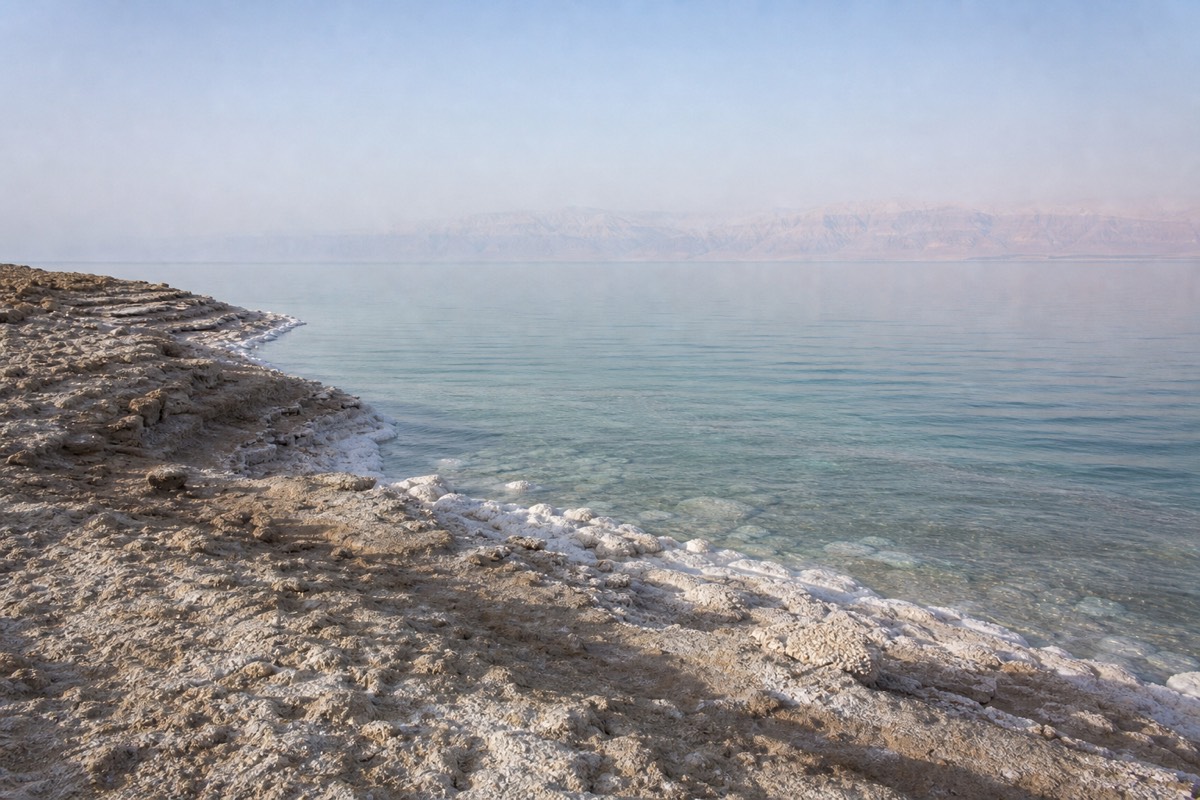
The production originally intended to shoot the entire film in Jordan but shifted much of it to Spain and Morocco over cost and logistics, so what made it to screen from Wadi Rum is a portion of the finished film rather than the whole desert sequence. Even so, it set a precedent that held for the next six decades: when a production needs a real desert that looks like nowhere else on Earth, Wadi Rum is where location scouts look first.
Lawrence of Arabia went on to win seven Academy Awards, including Best Picture, and its desert cinematography is still cited as a reference point for how to shoot vast, empty landscapes on film. That reputation is part of why later directors chose the same valley when they needed their own version of an overwhelming, otherworldly expanse, whether the story was set on Earth's own deserts or an invented planet entirely.
Same desert, different worlds: how each film used it
Every production on this list pointed a camera at broadly the same red-rock valleys, but each one used lighting, color grading and framing to make Wadi Rum read as something different: Earth's own desert in Lawrence of Arabia, a hostile alien world in Prometheus, Mars itself in The Martian, and a magical fairy-tale backdrop in Aladdin.
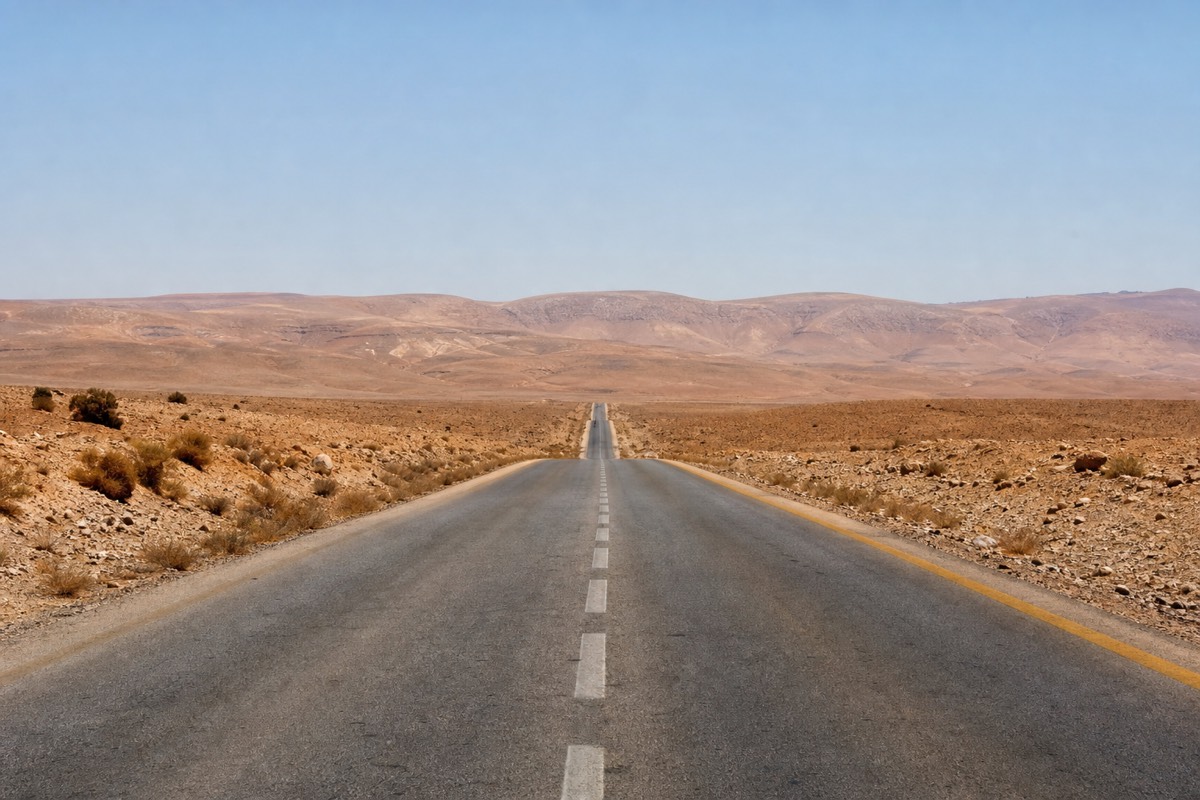
That range is really the whole case for why the location keeps getting reused instead of wearing out its welcome. A single valley that can plausibly play a real 20th-century desert war, a barren alien moon and a beloved animated musical's live-action backdrop, without needing to look meaningfully different for each, is genuinely rare.
| Film | Treated as | Visual approach |
|---|---|---|
| Lawrence of Arabia | Earth's own Arabian desert | Sweeping, sunlit, historically grounded |
| Prometheus | A hostile alien world | Cold, desaturated, ominous |
| The Martian | The surface of Mars | Red-graded, isolating, wide shots |
| Aladdin | A fairy-tale desert | Warm, golden, magical |
| Star Wars films | Alien moons/planets | Varies: icy-toned for Jedha, sun-baked for Pasaana |
| Dune films | Arrakis | Stark, monumental, minimal color grading |
The Martian (2015): standing in for Mars
Ridley Scott chose Wadi Rum to represent the surface of Mars for The Martian, using its red rock and open terrain for the exterior scenes of Matt Damon's character surviving alone on the planet, while interior and studio work was completed elsewhere.
The choice made enough of an impression that NASA itself later referenced the desert's uncanny resemblance to the Martian surface, according to NASA's Earth Observatory, which used Wadi Rum imagery to illustrate how closely the terrain matches the real planet's geology. That is a rare case of a film location earning a nod from an actual space agency rather than just film critics.
Prometheus (2012) and Aladdin (2019): two very different alien deserts
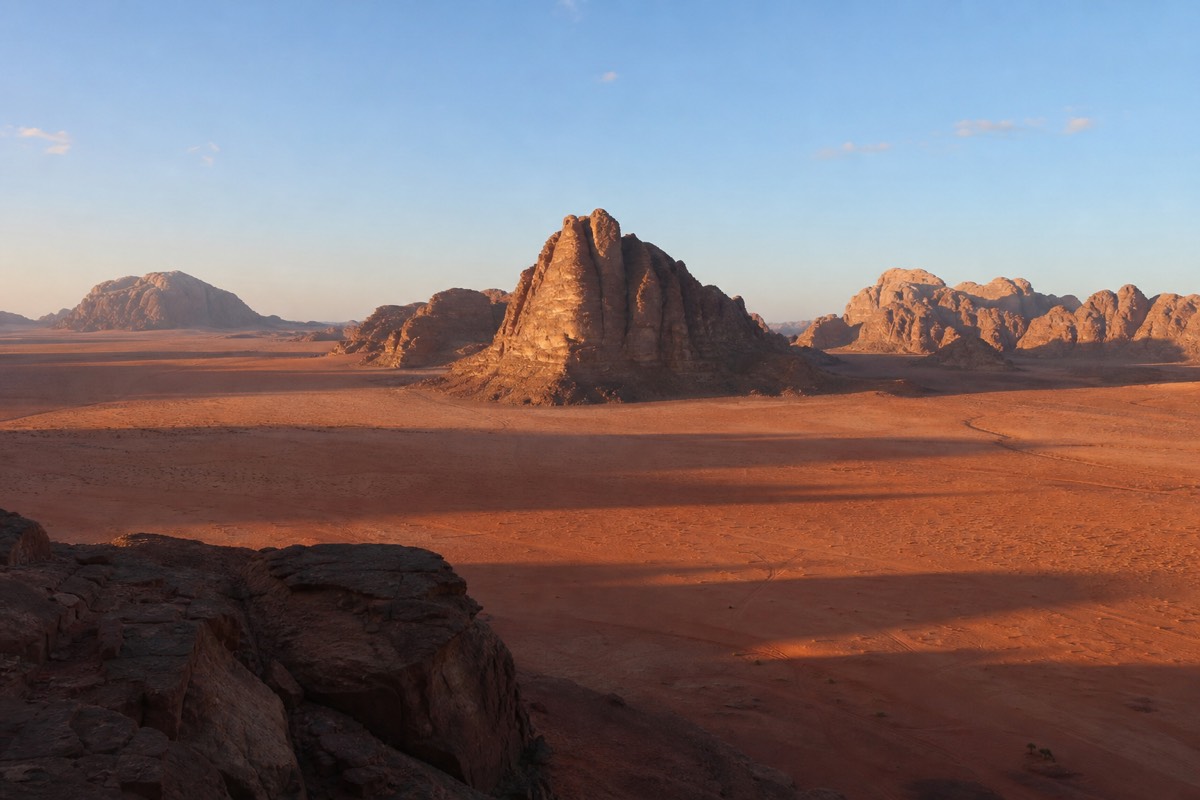
Prometheus used Wadi Rum's jagged cliffs and sweeping dunes for the barren alien planet LV-223, part of the same Alien franchise universe Ridley Scott returned to Wadi Rum for again three years later with The Martian. Aladdin used the same desert for a completely different tone: the sun-washed dunes and the Seven Pillars of Wisdom rock formation stood in for the desert surrounding the fictional city of Agrabah, including the Cave of Wonders sequence.
The range between these two says something about how versatile the location actually is. The same valley reads as a chilling, hostile alien world in one film and a sweeping, magical fairy-tale desert in another, purely through lighting, color grading and how the camera frames the same rock formations.
Star Wars in Wadi Rum: Jedha and Pasaana
Wadi Rum has doubled as two different Star Wars locations: Jedha, a small desert moon in Rogue One: A Star Wars Story (2016), and Pasaana, a desert planet with a festival sequence in Star Wars: The Rise of Skywalker (2019). The Rogue One shoot used Wadi Rum and the adjacent Al-Disa desert; the Rise of Skywalker crew spent roughly three weeks filming Pasaana's scenes on location.
Specific spots have become minor pilgrimage sites for fans since. The area known as Sunset Point and the rock bridge at Kharez both appear in Rogue One's Jedha scenes, according to reporting cross-referenced across multiple film-location outlets and confirmed by Variety's coverage of Jordan's film industry. In The Rise of Skywalker, the crew built the Aki-Aki Festival set into the existing landscape rather than altering the terrain itself, since Wadi Rum already looked convincingly alien without much modification.
Dune (2021) and Dune: Part Two (2024): building Arrakis
Denis Villeneuve filmed key sequences of both Dune films in Wadi Rum, using its crimson dunes and sandstone cliffs to help define Arrakis, the desert planet at the center of the story, alongside additional desert filming in Abu Dhabi. Crews spent roughly three weeks in Wadi Rum for the first film, concentrated around the Um Ishrin and Khazali Canyon areas.
According to reporting on Wadi Rum's long film history, Villeneuve specifically wanted to shoot in a real desert rather than rely entirely on studio and digital environments, citing the effect the actual landscape had on the cast and crew. For the sequel, the general pattern held: scenes with mountains visible in the background used Wadi Rum, while flatter desert shots without mountains were filmed in the Liwa Desert near Abu Dhabi.
| Film | Wadi Rum areas used |
|---|---|
| Rogue One: A Star Wars Story | Sunset Point, the Kharez rock bridge, Al-Disa desert |
| Dune / Dune: Part Two | Um Ishrin, Khazali Canyon |
| Aladdin | The Seven Pillars of Wisdom rock formation |
Can you actually visit the filming locations?
Yes. Wadi Rum's jeep tours and guided excursions regularly pass through the same valleys, rock formations and canyons used in these films, including the Seven Pillars of Wisdom, Khazali Canyon and the general area around Sunset Point, though exact camera setups from any specific production are not marked or signposted.
Do not expect a formal "movie tour" with marked film-set plaques; Wadi Rum is a working protected desert, not a theme park built around its filmography. What you get instead is the real landscape itself, largely unchanged from how it looked on camera, seen from the same kind of 4x4 jeep excursion featured in several of these productions' behind-the-scenes footage.
| Location | Seen in | How to see it |
|---|---|---|
| Seven Pillars of Wisdom | Aladdin | Standard jeep safari route |
| Khazali Canyon | Dune / Dune: Part Two | Common jeep tour stop |
| Sunset Point area | Rogue One | Included on many sunset jeep tours |
| Open dune valleys | The Martian, Prometheus | General jeep safari terrain |
How do you plan a jeep tour around these locations?
Standard Wadi Rum jeep safaris on our own tours already route through many of the film-associated areas, the Seven Pillars of Wisdom, Khazali Canyon and the open dune valleys, as part of their normal circuit rather than as a specialized add-on. If a specific location matters most to you, mention it to your driver or guide, since routes can often flex to prioritize one stop over another.
None of our current tours are marketed specifically as "movie tours," and that is a fair trade: you get the real, working desert experience, a genuine Bedouin-run jeep safari through the same terrain, rather than a scripted photo-stop circuit built around film trivia. The film connection is a bonus layered on top of an already worthwhile drive through the landscape, one that holds up on its own even for a traveler who has never seen any of the films on this list. Ask your driver which stretch of the route matches a specific film if it matters to you, since many guides who work the same circuit daily know exactly which ridge or canyon appeared in which production.
| Our tour | Wadi Rum time | Film-associated areas likely covered |
|---|---|---|
| 2-Day Petra, Wadi Rum & Dead Sea | Sunset + sunrise jeep safari | Standard circuit, dune valleys, rock formations |
| Bubble Camp 2-Day version | 2-hour 4x4 safari | Same general circuit, overnight in a bubble tent |
| 3-Day Jordan Highlights Tour | 2-hour Bedouin jeep tour | Standard circuit, more relaxed schedule around it |
Has Petra itself been in movies too?
Yes, separately from Wadi Rum's science-fiction résumé, Petra has its own famous film moment: the Treasury facade served as the entrance to the fictional "Canyon of the Crescent Moon" in Indiana Jones and the Last Crusade (1989), with the Siq used for the film's horse-riding approach sequence. The elaborate interior beyond the facade was built entirely on a soundstage in England.
It is worth keeping the two straight, since visitors sometimes conflate them: Wadi Rum's film history is almost entirely science-fiction and set on other worlds, while Petra's single most famous screen appearance uses the site as itself, its own real facade standing in for a fictional temple entrance rather than an alien landscape. If the Indiana Jones connection is part of why you want to see the Treasury in person, our guide to the Treasury and the walk through the Siq covers that visit in full.
| Wadi Rum | Petra | |
|---|---|---|
| Film genre | Mostly science fiction | Adventure (Indiana Jones) |
| What it plays | Other planets and moons | Itself, as a fictional temple entrance |
| Best-known title | Dune, Star Wars, The Martian | Indiana Jones and the Last Crusade (1989) |
Is Wadi Rum still used for filming today?
Yes. Jordan's film industry has continued attracting international productions in the years since Dune, and Wadi Rum remains one of the country's most requested locations for any project needing a real, dramatic desert rather than a digital one.
The region's film history has become part of its tourism appeal in its own right, alongside its jeep safaris and bubble-tent nights under the stars. Whether a given trip guide mentions the film connection or not, the terrain you see from a jeep is the same terrain that has stood in for Mars, a Jedi holy site, and a fictional desert planet more than once.
What makes Wadi Rum look so convincingly alien on camera?
A combination of geology and near-total emptiness: towering sandstone and granite mountains rising abruptly from flat valley floors, deep red and orange mineral coloring in the rock and sand, and almost no visible vegetation, roads or modern structures within camera range across huge stretches of the protected area.
That last point matters as much as the color and shape of the rock. Most deserts used for filming still show some sign of modern infrastructure somewhere in a wide shot; Wadi Rum's vast, protected emptiness lets a camera pan across a genuinely uninterrupted horizon, which is difficult to find almost anywhere else that is also this accessible to a film crew.
So is the movie connection worth planning around?
You do not need to be a Star Wars or Dune fan to feel the effect of standing in this landscape; the same qualities that put it on screen, the scale, the color, the emptiness, are what make a jeep safari or a night in the desert worthwhile on their own terms. But if you are a fan, seeing Khazali Canyon or the Seven Pillars of Wisdom in person after watching them play Arrakis or Agrabah adds a layer most desert trips do not offer. The simplest way to get out to the actual terrain, film history or not, is to let a guided route handle the logistics, and Petra Jordan Tours lines up the operators who run the Wadi Rum jeep safaris that cross this same ground.