
What Is the Best Month to Visit Petra?
Ask ten people who have been to Petra when to go, and eight will say the same two windows: spring and early autumn. That is not folklore. It comes down to what the desert actually does to a site with almost no shade, and this breaks down why, month by month.
Booking Choice: Private Petra Main Trail takes 2–3 hours, starting in Petra / Wadi Musa. Explore This Option
General starting recommendation. Petra admission, hotel drop-off and Monastery hike excluded. About 6 km of walking; moderate fitness.
We may earn a commission when you book through these links.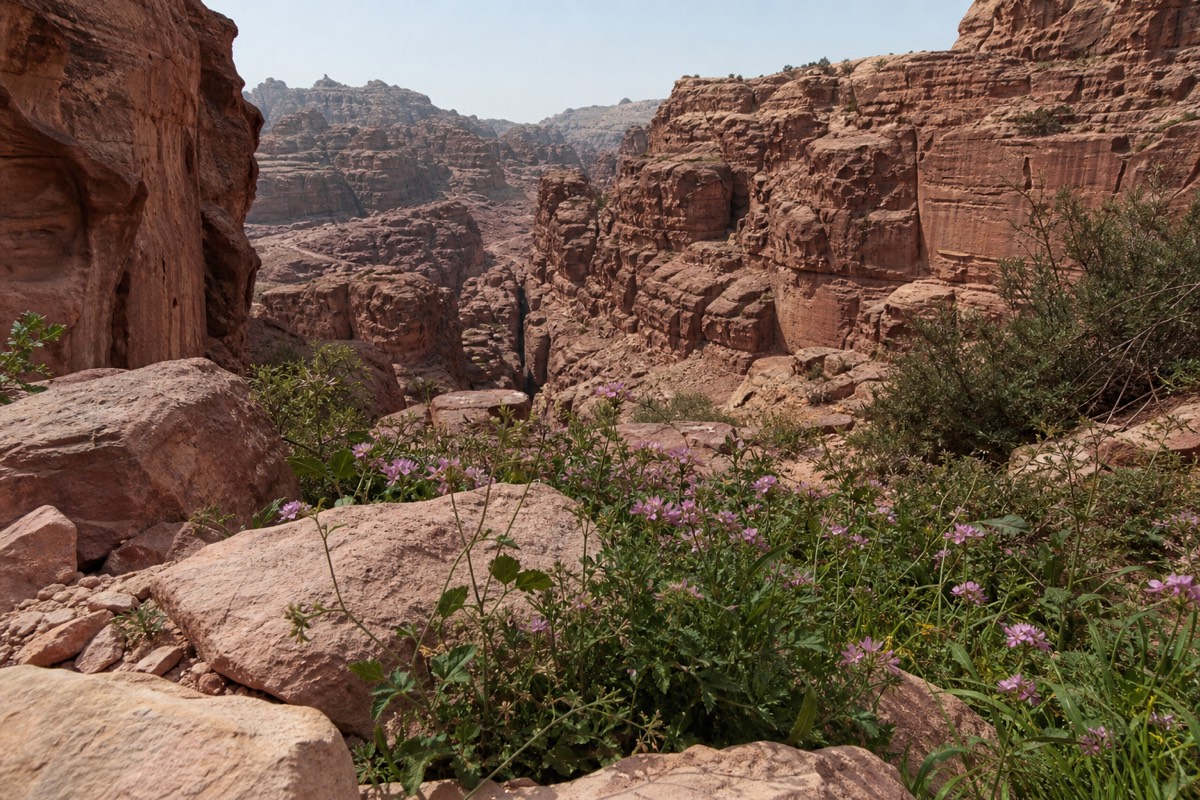
Petra sits at roughly 900 meters of elevation in a stretch of Jordan that swings hard between seasons, and that swing decides more about your visit than almost anything else you plan. Pick the right month and you get comfortable walking temperatures, workable light for photos, and a Siq that isn't a furnace by 10 AM. Pick the wrong one and you're either fighting 35-40°C heat with almost no shade or hiking wet sandstone steps in a cold rain. Here's what each part of the year actually looks like on the ground.
What is the best month to visit Petra?
March through May and September through October are the best months to visit Petra, when daytime temperatures typically sit in the comfortable high teens to high twenties Celsius, rainfall is minimal, and the site hasn't yet tipped into the true summer heat or winter cold that make the walk to the Treasury and beyond genuinely hard going.
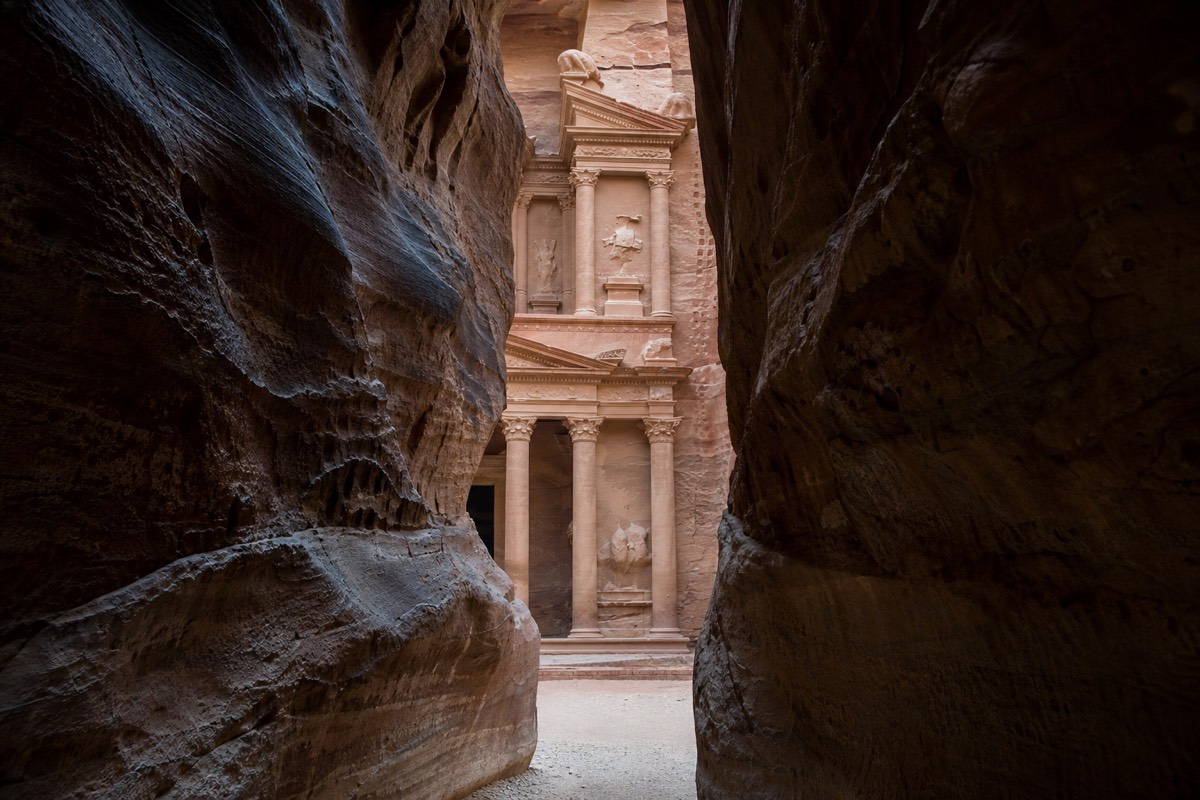
Within that window, late March to early May and late September through October tend to edge out the rest: warm without the mercury climbing past the low thirties, and dry enough that the Siq's sandstone floor stays sure underfoot. Neither shoulder season is a secret, so you will share the trail with other visitors, just not the coach-tour crush that midsummer and the winter holidays bring.
Why do spring and autumn beat summer and winter?
Petra has almost no natural shade along its main walking routes, so the seasonal temperature swing hits visitors directly rather than being softened by tree cover or air conditioning. Spring and autumn land in the narrow band where the desert is warm enough to be pleasant and cool enough that a multi-hour walk doesn't become an endurance test.
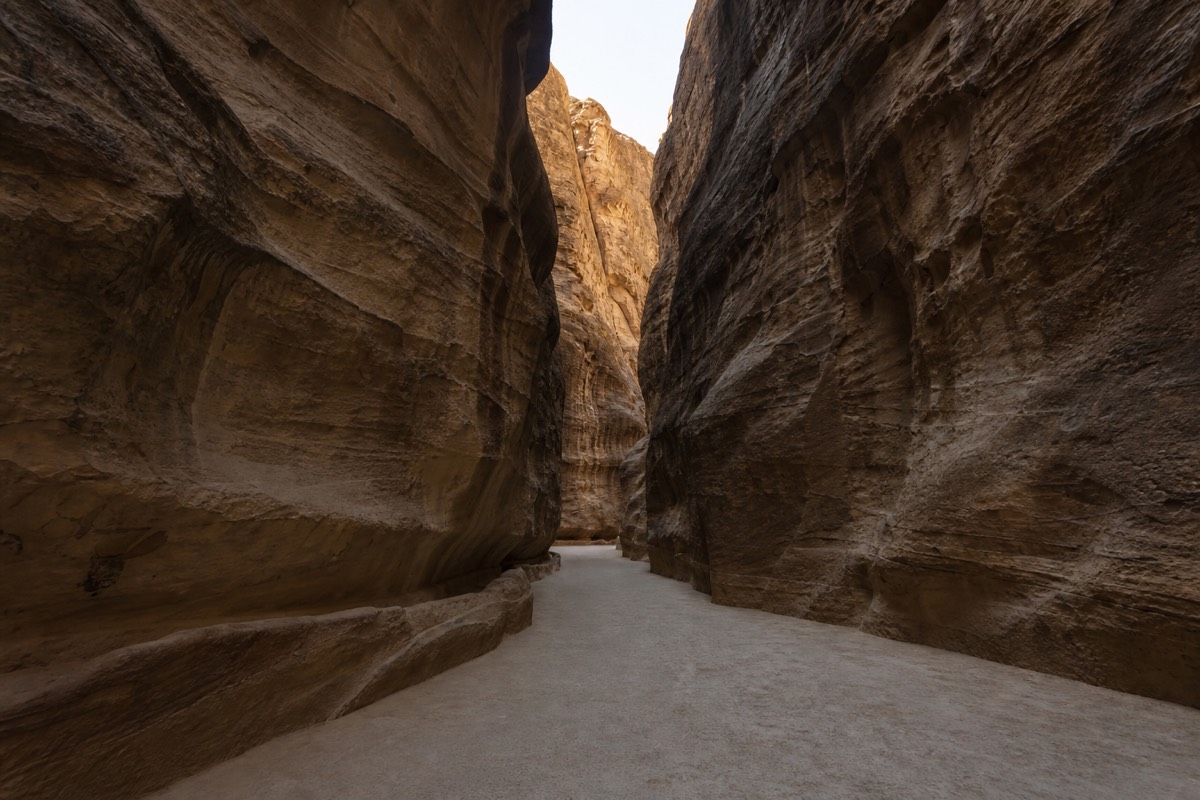
The Siq itself helps a little; its high canyon walls keep the passage shaded through midmorning. But once you're past the Treasury and onto the open paths toward the Royal Tombs or the Monastery climb, there's nothing between you and the sun. In July that means real heat-exhaustion risk by early afternoon; in January, a cold wind funneling down the same canyon. Spring and fall are the months when the lack of shade stops being a problem.
What does summer actually feel like at Petra?
June through August is hot, with daytime temperatures commonly reaching 35 to 40°C and occasionally higher, turning the exposed stretches of the site into a heat-management exercise rather than a relaxed walk.
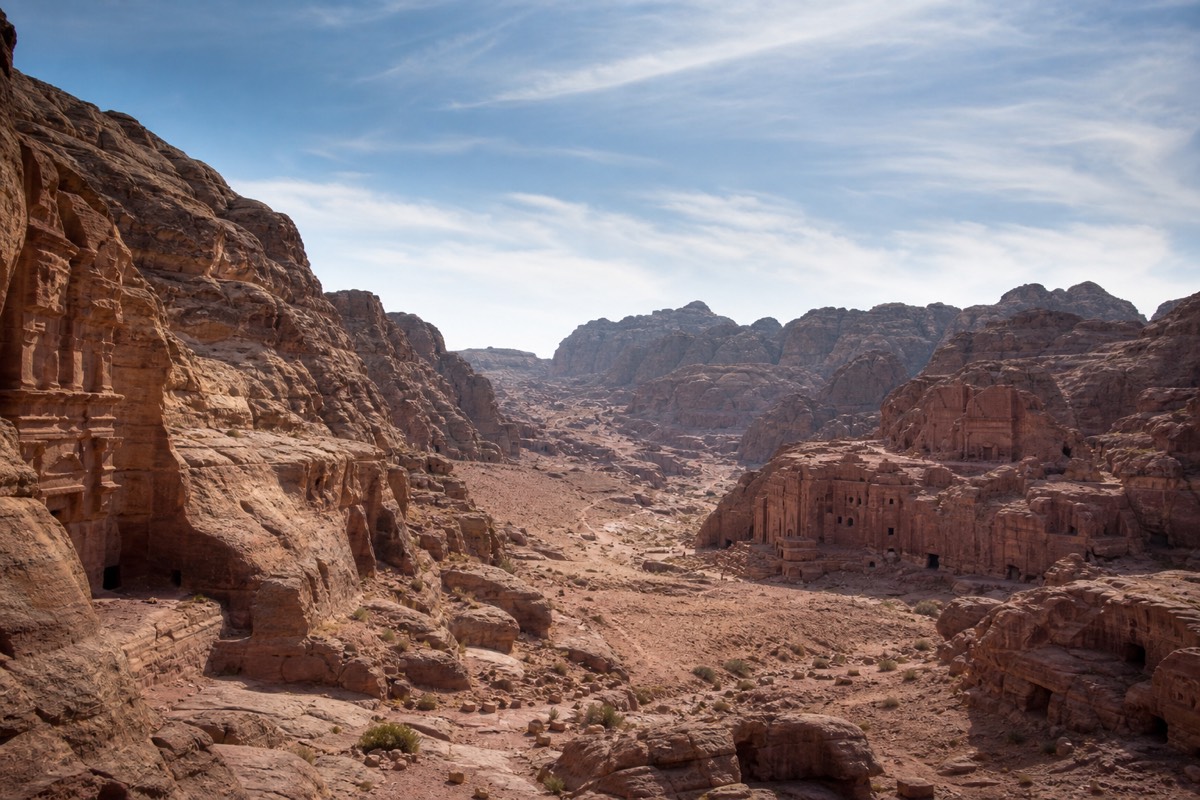
People do visit in summer, and plenty enjoy it, but it demands a different approach: starting at the gate the moment it opens, carrying more water than feels necessary, and treating the 800-plus-step Monastery climb as a morning-only activity. Recorded monthly averages for Wadi Musa, the town at Petra's gate, put a typical August day around 33°C, cooling to roughly 21°C after dark, and the real peaks in an exposed canyon can run hotter than that average. Wait until midday and you're climbing sandstone stairs in direct sun with almost nowhere to stop and cool off.
What does winter actually feel like at Petra?
November through February is cooler and quieter, with occasional rain, cold nights at Petra's elevation, and the lowest crowds of the year, though heavy rain can trigger temporary site closures on safety grounds.
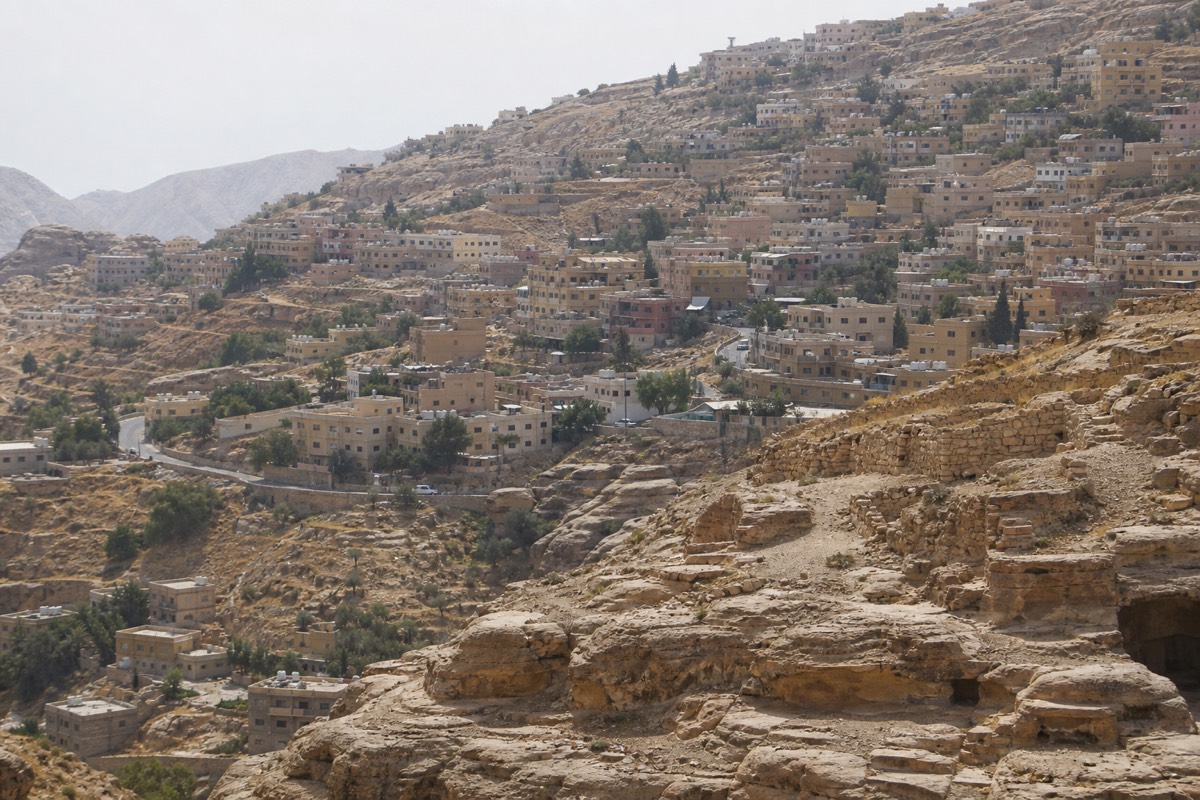
The same Wadi Musa data puts a typical January day around 15°C, dropping toward 4°C overnight, cold enough that a real jacket belongs in your bag alongside the sunscreen. The closure risk is not theoretical: Petra's Siq is a narrow canyon that collects a large volume of rainwater from the hills above it during storms, and the site has a documented history of flash floods serious enough that authorities now run warning sirens and a dam system along the canyon. For travelers who dislike heat and don't mind packing a warm layer, winter still has real upside: short queues at the Treasury viewpoint and easier photos without other tourists in frame. The trade-off is a genuine chance of a rained-out or partially closed day, so winter visits work best with a flexible schedule rather than one tightly booked afternoon.
Petra by season, at a glance
| Period | Typical daytime temps | Crowd level | What to expect |
|---|---|---|---|
| March to May | Roughly high teens to high 20s°C | High, the most popular window | Comfortable walking, occasional spring bloom in the canyon |
| June to August | 35 to 40°C or higher | High, school-holiday peak | Serious heat management needed by midday |
| September to October | Roughly high teens to high 20s°C | High, the second peak | Comfortable walking, generally drier air than spring |
| November to February | Often below 20°C, occasional rain | Lowest of the year | Cold nights, possible short closures during storms |
Does the time of day matter as much as the month?
Yes, almost as much. Whatever month you pick, arriving between 6 and 9 AM puts you at the Treasury and through the Siq in soft light and relative quiet, well before the main coach groups start arriving around 9:30 to 10 AM.
A well-timed early start in July can feel calmer than a late morning in October. So the honest advice is to stack both: choose a shoulder-season month if your dates are flexible, then treat the first two hours after opening as non-negotiable regardless of which month you land in.
| Time | What it's actually like |
|---|---|
| 6 to 9 AM | Soft light on the Treasury, the Siq near-empty, coolest hours of the day |
| 9:30 to 10 AM onward | Coach groups begin arriving, main paths get busier |
| 11 AM to 3 PM | Peak heat and peak crowds, especially in summer |
| Late afternoon | Crowds thin again, softer light returns before closing |
When is Petra least crowded?
Winter weekdays outside the Christmas and New Year stretch are the quietest time to visit Petra, followed by early March and late November, just before each shoulder season builds toward its peak.
Compare the selected tour’s current itinerary, inclusions and quoted total for your party. Historical booking counts or a headline starting price do not establish availability or value for your date.
So which month should you actually pick?
If you can choose freely, aim for April, May, late September or October: warm days, cool evenings, and a Siq that's dry underfoot. If you're stuck with summer dates, go early and finish your walking by late morning. If winter is your only window, pack a real jacket and build slack into your schedule in case of a closure. For how long to actually spend once you're there, see our answer on how many days you need in Petra, and if you're still deciding whether the trip is worth the trouble at all, we cover that honestly in is Petra worth visiting. Whatever month lands on your calendar, Petra Jordan Tours lines up the operators running these routes so you can focus on picking the right week rather than the paperwork.