
Wadi Musa: Where to Stay the Night Before Your Petra Tour
Nobody plans a trip around Wadi Musa. They plan it around Petra, and Wadi Musa is just the town they happen to sleep in on the way there. That is fair, but it undersells what staying here versus day-tripping from Amman actually changes about your visit: what time you get through the Siq, how tired you are for it, and whether the Treasury is empty or already crowded when you first see it. Here is what the town actually is, who should stay overnight, and what to expect if you do, from the practical logistics down to what there is to eat once you arrive.
Booking Choice: Private Petra Main Trail takes 2–3 hours, starting in Petra / Wadi Musa. Explore This Option
General starting recommendation. Petra admission, hotel drop-off and Monastery hike excluded. About 6 km of walking; moderate fitness.
We may earn a commission when you book through these links.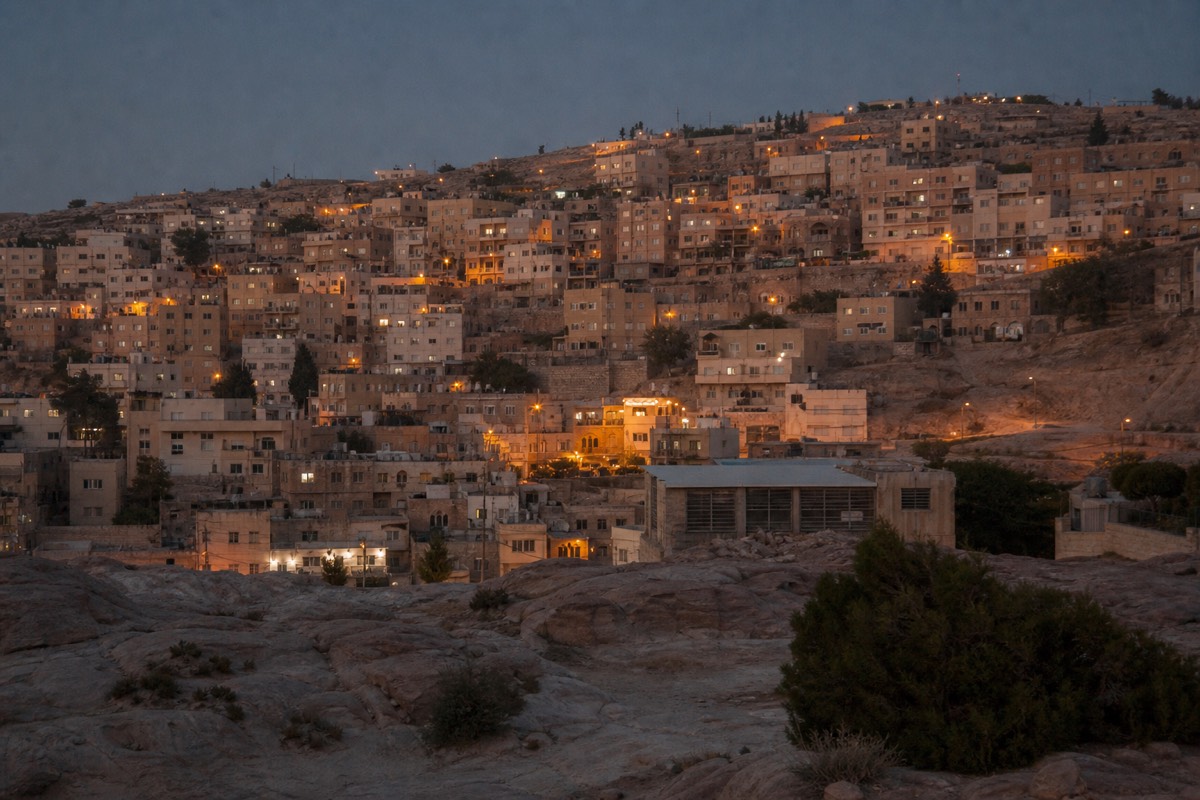
Every route to Petra passes through the same small town first. Wadi Musa is not a detour and not a separate stop, it is the last place you sleep, eat or buy water before the entrance gate, and that makes the question of whether to spend a night here, rather than just passing through, more practical than it sounds.
What is Wadi Musa, and why does every Petra trip run through it?
Wadi Musa is the small southern Jordanian town that sits directly against Petra's entrance, close enough that the Petra Visitor Center is only a few kilometers from the town center, which makes it the default overnight base and the last real settlement before the archaeological site itself.
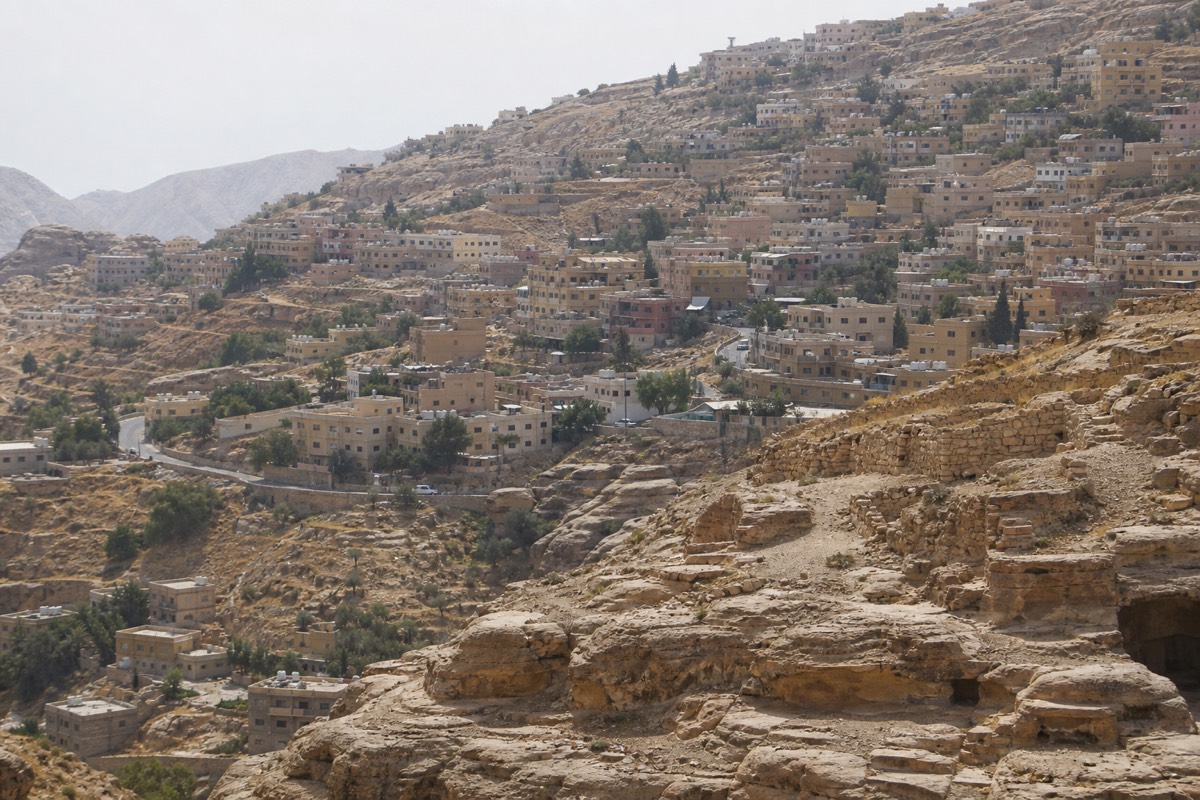
The name means "Valley of Moses" in Arabic, tied to a local tradition that this is where Moses struck water from rock for his followers at a spring still known as Ain Musa. Beyond the history, its practical role is simple: this is where hotels, restaurants and the Petra ticket office actually are. Whether you arrive on a day trip from Amman or a multi-day loop through Wadi Rum and the Dead Sea, Wadi Musa is the town your itinerary funnels through right before the Siq.
Should you stay overnight in Wadi Musa or day-trip from Amman?
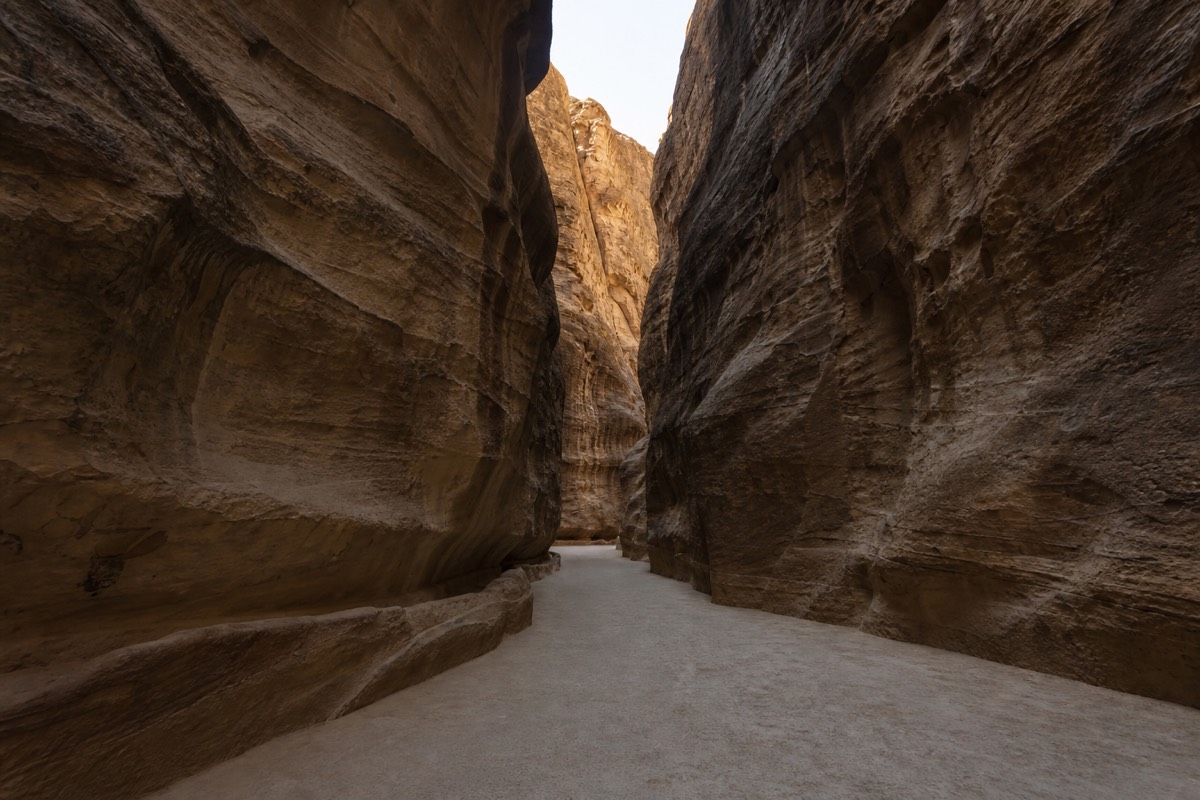
A day trip from Amman means a 2.5 to 3-hour drive each way and arriving at Petra mid-morning after everyone else, while staying overnight in Wadi Musa means a short walk or five-minute taxi ride to the gate and the option of being inside the Siq before the coach groups even leave their hotels.
Neither option is wrong, and plenty of our own tours run as efficient single-day trips from Amman precisely because that works for travelers with limited time. But if getting the Treasury without a crowd in every photo matters to you, or if you want a second day inside Petra rather than a rushed single pass, an overnight stay in Wadi Musa changes the shape of the visit more than almost any other single decision.
| Base | Distance to the Siq entrance | Realistic start time | Best for |
|---|---|---|---|
| Amman (day trip) | ~240 km, 2.5-3 hr drive | Mid-morning, after the drive | Limited time, one big Jordan trip with Petra as one stop |
| Wadi Musa (overnight) | A few km, 5-10 minutes | Early morning, before the Siq crowds | Photographers, second-day explorers, unhurried pacing |
What does an overnight base actually unlock that a day trip doesn't?
Staying in Wadi Musa lets you reach the Siq during the genuinely best window, roughly 6 to 9 AM, when the light is soft and coach groups have not yet arrived, since those larger groups typically start filtering in around 9:30 to 10 AM, a gap a same-day arrival from Amman almost always misses.
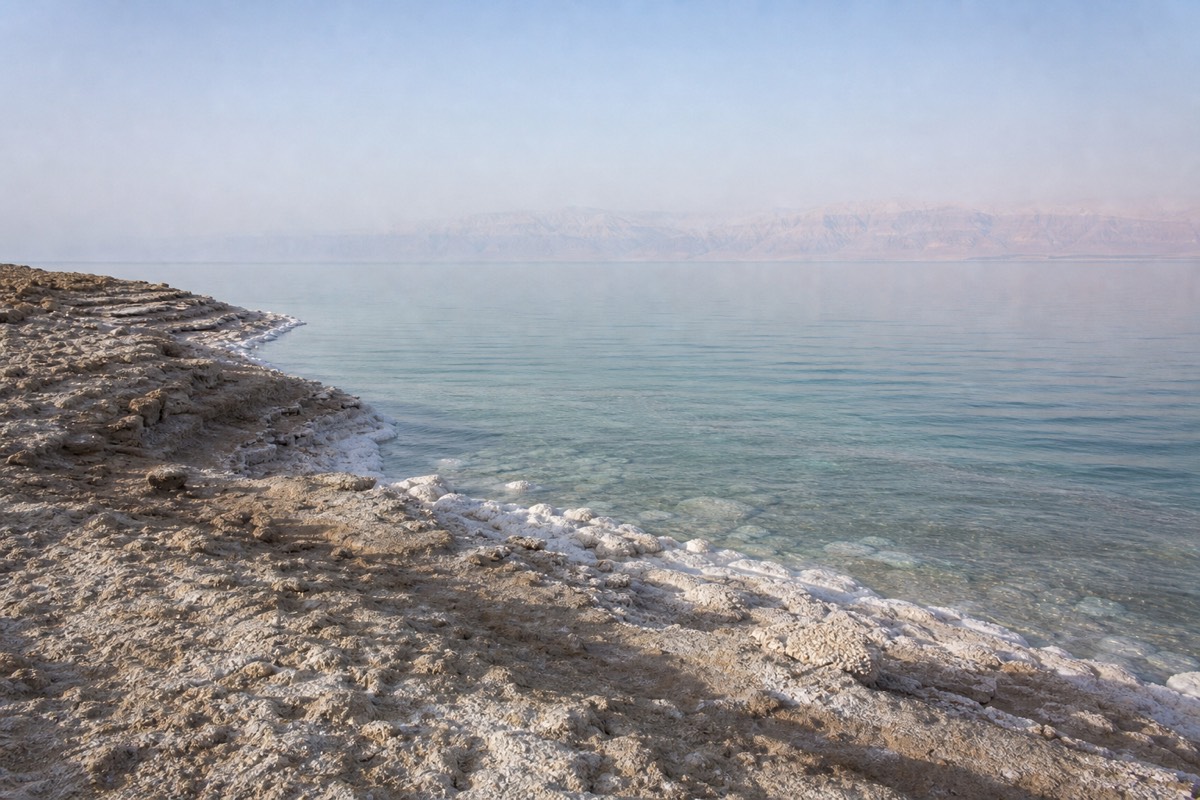
That timing gap is the whole argument for staying over. A day-tripper leaving Amman at a reasonable hour is still on the highway while the early-morning light is hitting the Treasury facade at its best. An overnight stay also opens up a second day at the site if your itinerary allows it, which matters because Petra covers more than 100 square kilometers and a single day realistically covers only a fraction of it, the Siq, the Treasury, the Street of Facades, the Royal Tombs and the Monastery if time allows. A second day opens the High Place of Sacrifice trail and the quieter eastern ridge routes that most single-day visitors never see. If you are weighing whether Petra by night is worth adding to an overnight stay, our guide to the candlelight show covers that separately.
What's Wadi Musa actually like as a town?
Wadi Musa is a small hillside town, spread across an elevation of roughly 1,050 to 1,450 meters, which means evenings are genuinely cool even after a hot day at Petra, and its economy runs almost entirely on tourism, hotels, restaurants and shops built around the steady flow of visitors heading to the entrance.
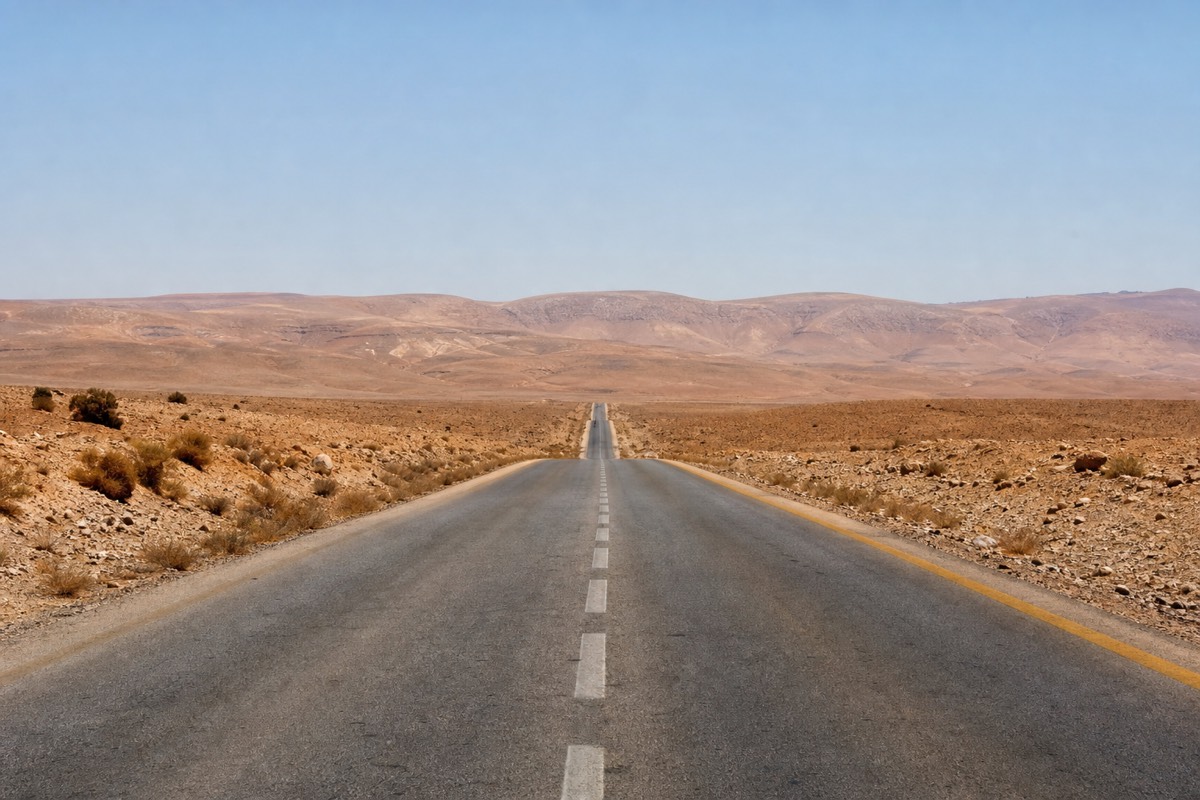
The elevation is worth planning around. Petra itself can be uncomfortably hot at midday for much of the year, but Wadi Musa's evenings, sitting well over a kilometer above sea level, cool down fast once the sun sets, so a lighter layer for the day and something warmer for the evening both earn their space in a bag. According to Wikipedia's entry on the town, it functions as the administrative center of the Petra Department, and its population, in the low thousands, is small enough that the town itself feels more like a base camp than a destination in its own right.
What kind of accommodation exists in Wadi Musa?
Wadi Musa's hotel scene spans the full range from simple budget guesthouses to mid-range hotels with valley views to a small number of higher-end properties, and because the town exists almost entirely to serve Petra visitors, even the budget end is generally set up specifically around early departures and returning hikers rather than being an afterthought.
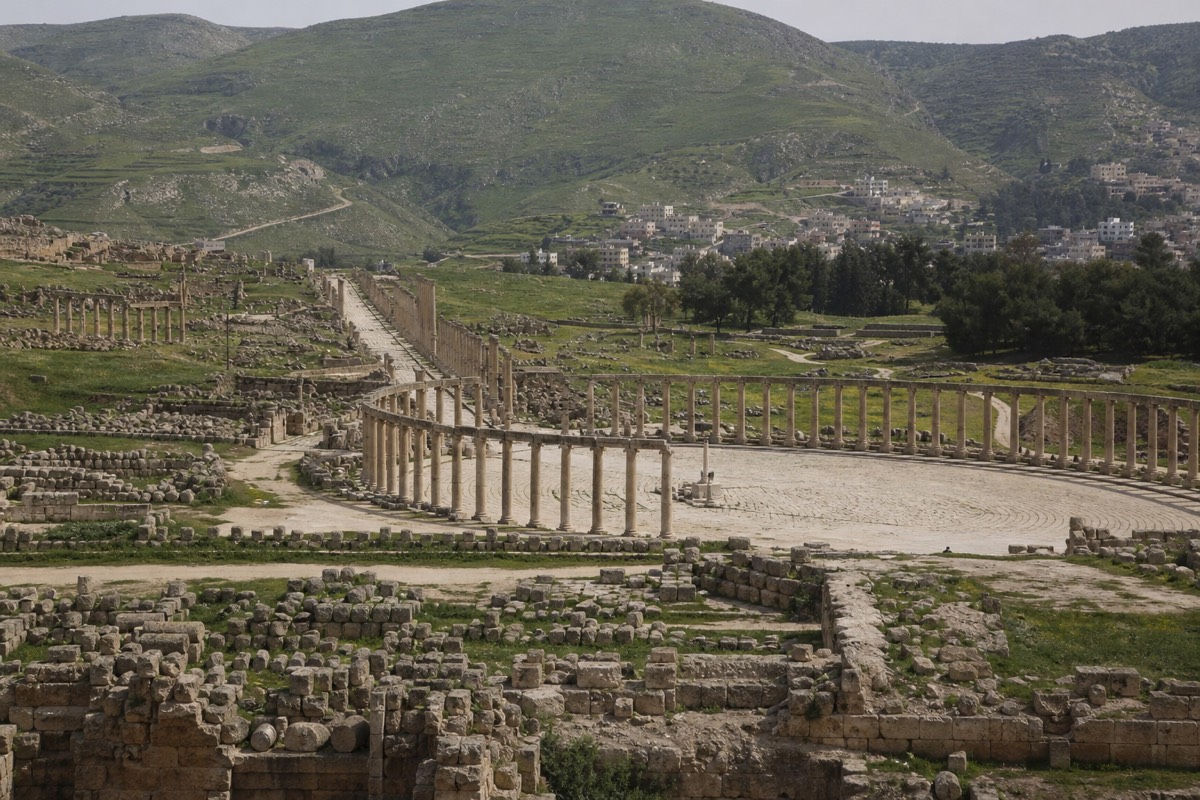
Rather than naming specific properties, since a hotel's quality and price change faster than an article can track, it is more useful to know what each tier generally gets you and let the current listings on a booking platform fill in the actual names and rates when you are ready to book.
| Category | What to expect | Who it suits |
|---|---|---|
| Budget | Simple rooms, often family-run, basic breakfast | Backpackers, early risers who just need a bed |
| Mid-range | Private bathrooms, some with valley or Petra-facing views, better breakfast | Most travelers, best value for comfort |
| High-end | Larger rooms, pools, full-service dining, sometimes further from the gate | Travelers prioritizing comfort over walking distance |
How close is "close to Petra," really?
Some Wadi Musa hotels sit within walking distance of the Visitor Center, a few minutes on foot, while others are a five to fifteen-minute taxi or hotel-shuttle ride away on the town's hillside streets, so "close to Petra" on a listing can mean genuinely different things and is worth checking rather than assuming.
For an early start, proximity is worth paying attention to. A hotel a short walk from the gate lets you be inside the Siq minutes after opening with no transport to arrange; a hotel further up the hillside, even a comfortable and well-reviewed one, adds a taxi call or a shuttle wait to that same early start. If a 6 AM entrance genuinely matters to you, ask about walking distance to the Visitor Center specifically, not just general distance to "Petra," when comparing options. Listing photos are not a reliable guide here either, since a wide-angle shot can make a fifteen-minute drive look like a short stroll; reading the actual distance in the description, or checking it on a map before booking, avoids an unpleasant surprise on the first morning.
| Proximity | Getting to the gate | Trade-off |
|---|---|---|
| Walking distance | 5-15 minutes on foot | Often pricier or smaller rooms |
| Short taxi/shuttle ride | 5-15 minutes by vehicle | More hotel choice, need to arrange transport for an early start |
| Further hillside | 15+ minutes by vehicle | Better views or value, least convenient for a dawn entry |
What does a typical overnight stop in Wadi Musa actually look like?
Most overnight visits follow a simple rhythm: arrive by mid-afternoon, check in and rest, walk to dinner somewhere with a valley view while the light fades, get to bed early, and leave the hotel while it is still dark for a 6 AM entrance, which trades a late night out for a genuinely quiet first hour inside Petra.
That is a real trade, not a small one. Wadi Musa in the evening is quiet compared to Amman, restaurants close earlier, and there is no real nightlife scene to speak of, because the town exists to serve a 6 AM departure, not a midnight one. Travelers expecting the buzz of a capital city are usually disappointed; travelers who came for an early, uncrowded Siq walk generally consider the trade-off an easy one. A short walk before dinner, up toward one of the hillside viewpoints that look out over the valley Petra sits in, is one of the few genuinely free things to do in town, and it is worth the ten minutes even if you are tired from the day's drive.
How safe is Wadi Musa itself?
Wadi Musa runs almost entirely on tourism, which means the town's whole economy depends on visitors feeling comfortable walking its streets, and the same safety framing that applies to Petra itself, low crime, tourism police presence, heat and uneven terrain as the realistic risks rather than personal safety, generally carries over to the town.
If you want the fuller picture on safety across Jordan as a whole, not just this one town, including the questions travelers actually ask before booking, our guide to whether it's safe to travel to Jordan right now covers that in depth. For Wadi Musa specifically, the practical advice does not change much from anywhere else: keep valuables out of sight at night, use licensed taxis rather than unmarked cars, and treat sun and dehydration, not crime, as the risk actually worth planning around.
When is the best time of year to base yourself here?
Spring, March through May, and early fall, September through October, are the strongest windows to base yourself in Wadi Musa, since those months bring mild temperatures and more manageable crowds, and hotel rooms in town fill up fastest during exactly this stretch, the same peak season that drives demand across Petra tours generally.
Summer runs genuinely hot, often 35 to 40°C or higher, which makes an early departure from Wadi Musa less of a nice-to-have and more of a necessity to avoid the worst midday heat inside Petra. Winter is cooler and quieter, with occasional rain and, rarely, weather-related site closures, but it also means the lightest crowds and, often, the easiest last-minute hotel availability of the year.
| Season | Weather | Booking pressure |
|---|---|---|
| Spring (Mar-May) | Mild, comfortable | High, book ahead |
| Summer (Jun-Aug) | Very hot, 35-40°C+ | Moderate |
| Fall (Sep-Oct) | Mild, comfortable | High, book ahead |
| Winter (Nov-Feb) | Cool, possible rain | Low, easiest availability |
What should you plan for the night before and the morning of?
The evening before, confirm your Petra ticket or Jordan Pass is in hand rather than assuming you can sort it at the gate, and set an alarm early enough to reach the Visitor Center close to its 6 AM opening; the morning of, carry cash, water and sun protection with you rather than planning to buy them once inside, since prices climb fast once you're past the entrance.
Per the official Petra ticketing authority, the site opens daily at 6 AM (later closing in summer), with ticket sales ending 45 minutes before closing, so timing your morning around that opening hour, not a rough "early" guess, is what actually gets you the quiet Siq. If you have not sorted your Petra entry fees yet, our guide to whether the Jordan Pass is worth it walks through the cost comparison before you arrive.
Does Wadi Musa work as a base for more than just Petra itself?
Yes: Wadi Musa also sits close to Little Petra, a smaller, free-to-enter Nabataean site that makes an easy add-on the same day, which means an overnight stay here can cover more than the main site alone if your schedule has room for it.
Little Petra sits a short drive north of Wadi Musa and takes a fraction of the time to see compared to the main site, making it a natural half-day addition for travelers who are already based here overnight rather than rushing back to Amman. Our guide to Little Petra covers what it actually involves and whether it is worth the extra time.
Which of our tours actually put you through Wadi Musa?
All six of our Petra tours route through Wadi Musa, since it is physically impossible to reach Petra without passing through it, but one of them, the private 3-hour guided experience, is built specifically around a Wadi Musa hotel pickup rather than departing from Amman at all.
That distinction matters if you have already decided to base yourself here overnight: the private 3-hour tour is designed for exactly that traveler, someone already staying in the Petra/Wadi Musa region who wants a focused guided walk rather than a full day that includes hours of driving.
| Tour | Starts from |
|---|---|
| Petra Day Trip from Amman | Amman, hotel pickup |
| Petra Private 3-Hour Guided Experience | Wadi Musa/Petra region hotel pickup |
| Petra, Wadi Rum & Dead Sea 2-Day Adventure | Amman, overnight in Wadi Rum |
| Petra, Wadi Rum Bubble Camp & Dead Sea 2-Day Adventure | Amman, overnight in Wadi Rum |
| 3-Day Jordan Highlights Tour | Amman, overnight in Wadi Musa then Wadi Rum |
| 4-Day Jerash, Petra, Wadi Rum & Dead Sea Tour | Amman, overnight at the Dead Sea then Wadi Rum |
What amenities can you actually expect in town?
Wadi Musa has the basics covered well: restaurants ranging from simple falafel counters to sit-down places with valley views, a scattering of small grocery shops and pharmacies, ATMs near the main strip, and SIM card vendors, so it functions as a genuine small town rather than a bare-bones staging point with nothing but hotels.
What it does not have is much beyond that. There is no large shopping district, no real nightlife, and options thin out once you move away from the main road leading toward the Visitor Center. That is by design as much as by size: the town's entire rhythm is built around an early departure and a tired return, not an evening out, and most visitors are more than happy to trade a bigger selection of restaurants for the quiet that comes with it.
What should you pack specifically for an overnight Wadi Musa stop?
Beyond the standard Petra day pack, comfortable broken-in walking shoes, 1.5 to 2 liters of water, sunscreen, a hat, a scarf or buff, an overnight stay adds a warm layer for the cooler evening air at altitude and a headlamp or phone flashlight if you plan an early pre-dawn walk to the gate.
The temperature swing is the detail people most often miss. A day that reaches 30°C or more at Petra's lower elevations can still mean a genuinely chilly evening back in Wadi Musa once the sun drops, and an early departure for the gate before sunrise means walking in near-darkness on uneven streets.
| Item | Why it matters overnight |
|---|---|
| Warm layer or light jacket | Wadi Musa's altitude means cool evenings even after a hot day |
| Headlamp or phone light | Useful for a pre-dawn walk to the Visitor Center |
| Cash in small JOD notes | Small shops and tips rarely take cards |
| Printed or downloaded ticket/Jordan Pass | Confirms entry without relying on gate wifi |
So, is it worth staying overnight in Wadi Musa?
If your trip already has the flexibility for it, yes, plainly: the difference between arriving at the Siq at 6 AM in soft light with almost nobody around and arriving mid-morning into a moving crowd is one of the most noticeable differences you can control on a Petra visit. If your itinerary is built as an efficient single day from Amman instead, that is a legitimate choice too, just one that trades away the early window. Either way, Wadi Musa is where the logistics actually happen, and the simplest way to get the timing right without managing hotel pickups and ticket lines yourself is to let a guided trip handle it, and Petra Jordan Tours lines up the operators who run both the Amman day trips and the Wadi Musa-based routes, so the planning is not the part you remember.