
Is It Worth Staying Overnight in Wadi Rum?
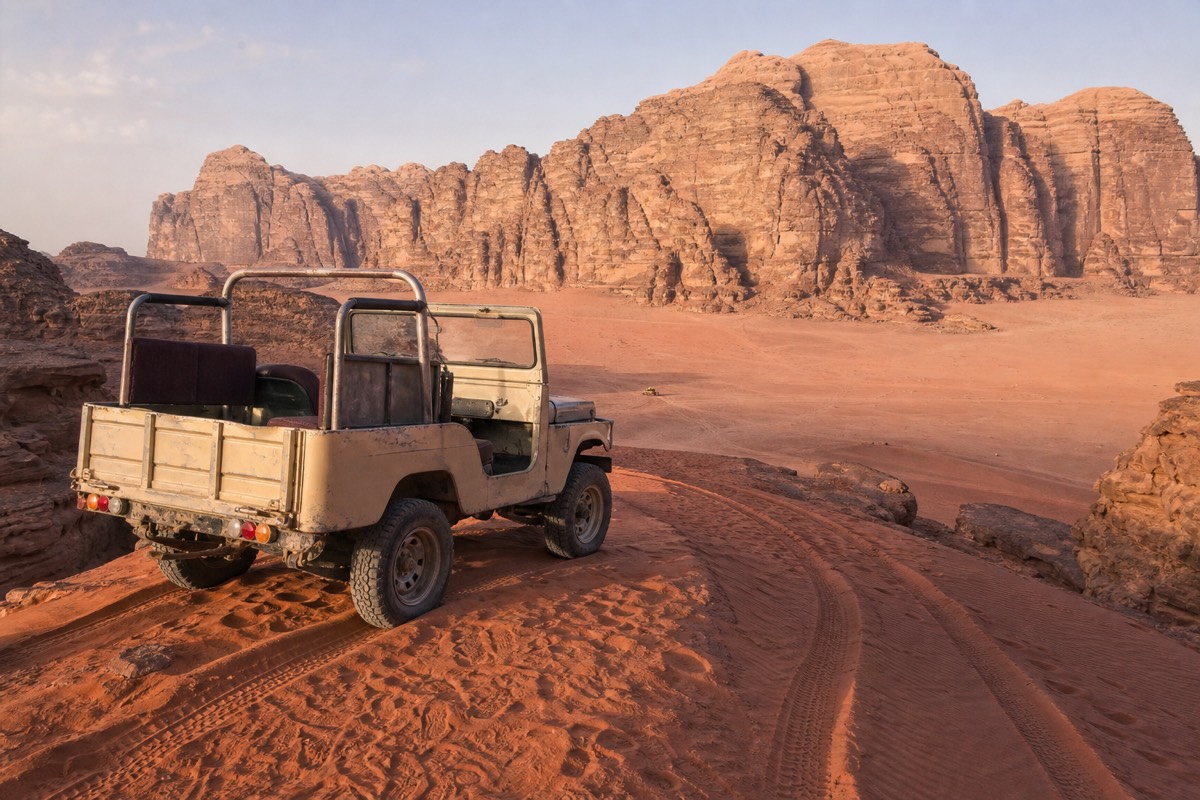
A jeep tour through Wadi Rum's red sand lasts two, maybe four hours. The desert doesn't stop being interesting when the engine turns off, and the case for staying past sunset comes down to what happens after the last jeep of the day pulls out.
Booking Choice: Wadi Rum Jeep Day And Bedouin Night takes full day + overnight, starting in Wadi Rum. Explore This Option
General starting recommendation. Arrange arrival at Wadi Rum Village. Visitor Centre transfer costs extra. No bubble tent or telescope session promised.
We may earn a commission when you book through these links.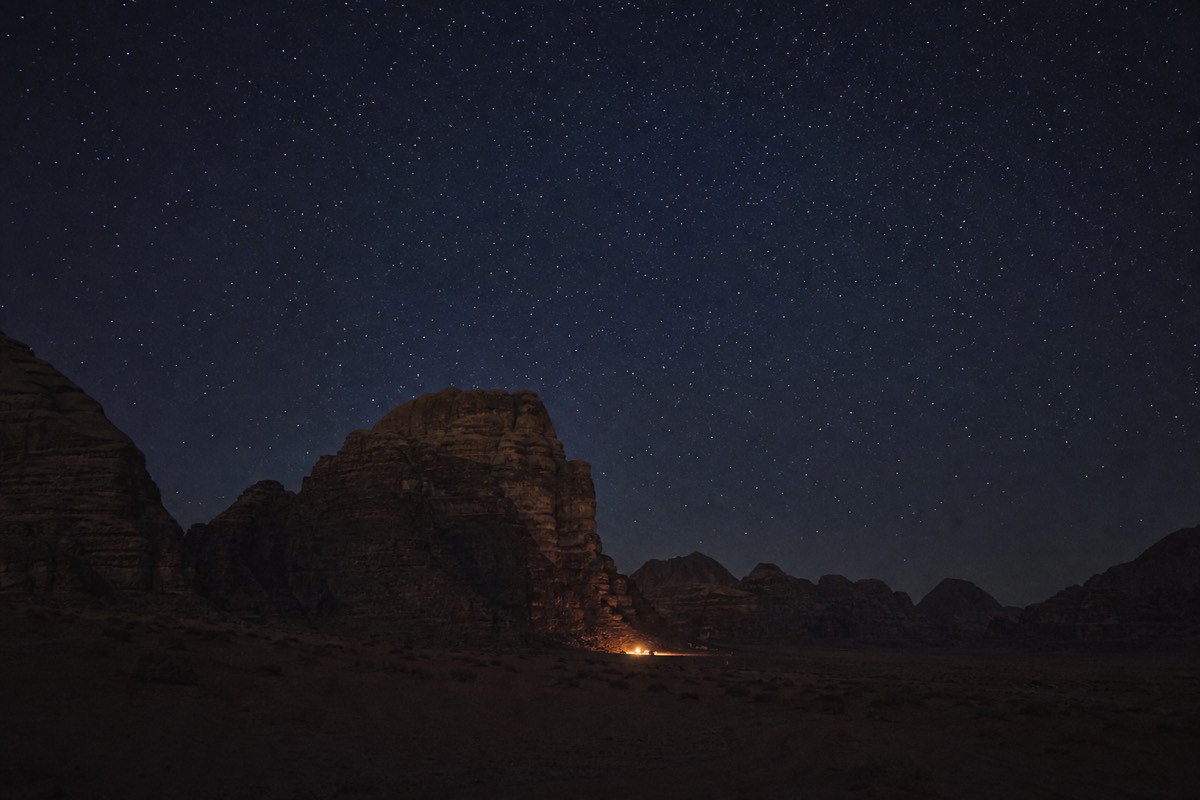
Most Petra itineraries treat Wadi Rum as a stop: a jeep loop through the dunes, a few photos at a rock arch, then back on the road. Add one night in a desert camp and the same place turns into something else, a stretch of genuinely dark sky, a temperature drop you can feel in your bones, and a sunrise that lights the sandstone red before anyone else is awake. Whether that's worth the extra planning depends on what you're actually after.
Is it worth staying overnight in Wadi Rum?
For most travelers, yes. An overnight stay adds genuinely dark-sky stargazing, a sunset and sunrise over the same red-sand landscape, and a slower pace than a same-day jeep loop allows, at the cost of one night's planning and, on a tight itinerary, a day you could otherwise spend elsewhere.
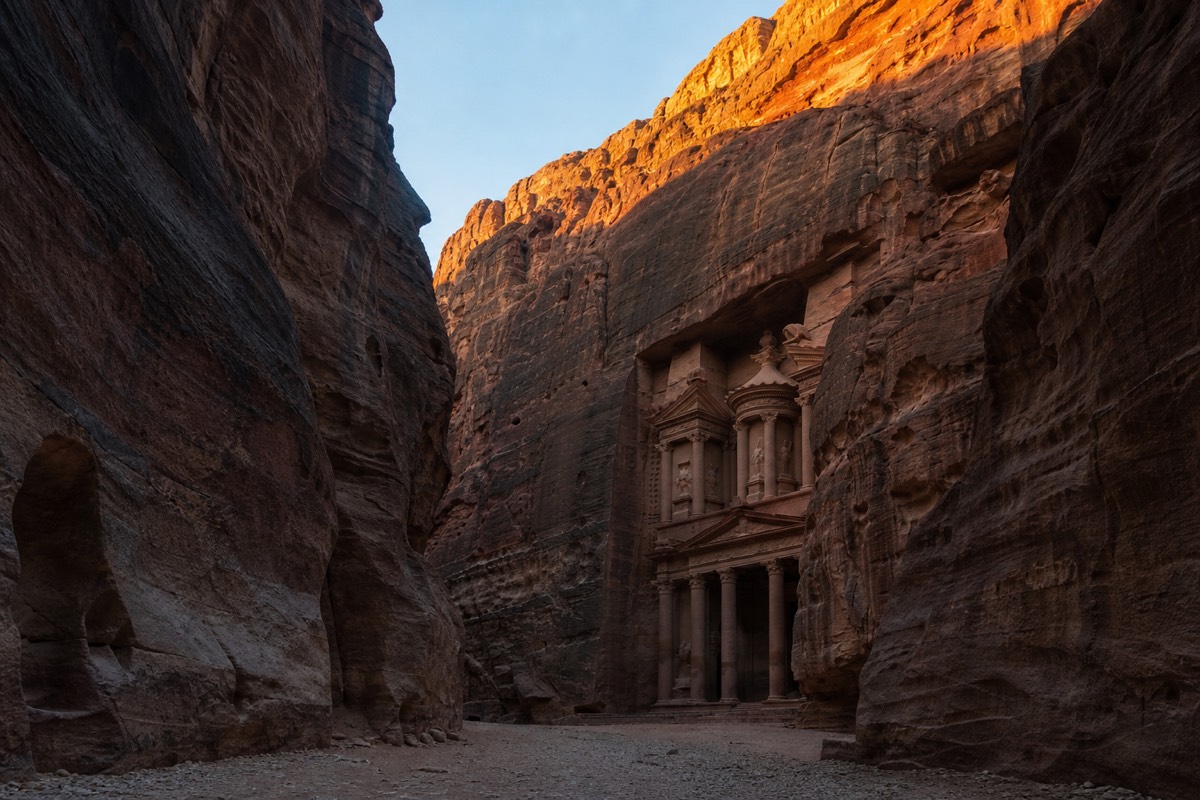
The trade-off is really about time, not money. A day-trip jeep tour covers the same rock formations and dunes a camp stay does. What it can't cover is the part of Wadi Rum that only exists after dark: no towns, no highway glow, nothing between you and a sky most travelers have never actually seen without light pollution.
What actually happens after the jeep tour ends?
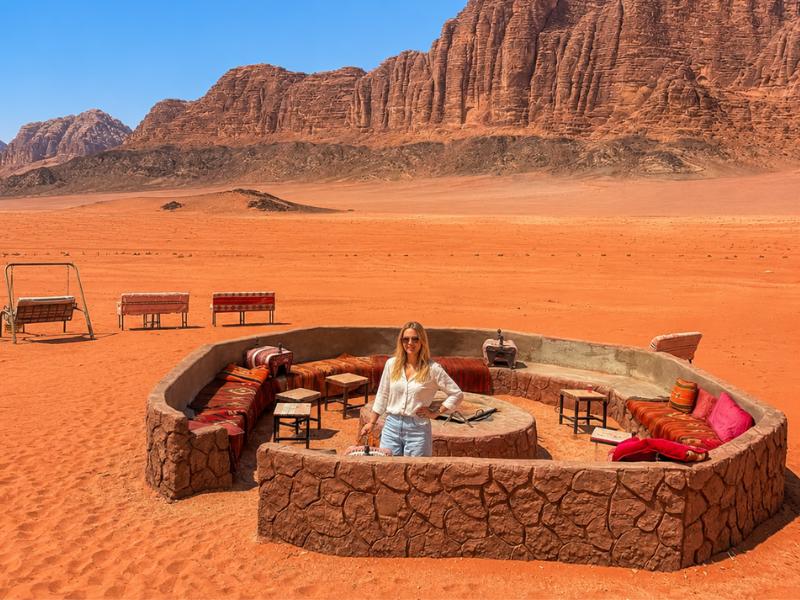
Camps in Wadi Rum typically wind the evening down with a traditional dinner, followed by tea or coffee around a fire and open time to walk out and look at the sky before the temperature drops enough to send everyone toward blankets.
It's an unhurried evening by design. There's no second activity stacked on dinner, no schedule to keep, just the desert going quiet as the light fades. For travelers used to a packed itinerary, that stillness is either the best part of the trip or, for a restless few, the one evening that feels slow. It helps to know which type you are before booking.
Why is the stargazing genuinely different at night here?
Wadi Rum sits far from any major city, inside a protected desert landscape with essentially no artificial light, so the night sky shows stars, and often the pale band of the Milky Way, that are simply invisible from any city and most rural areas back home.
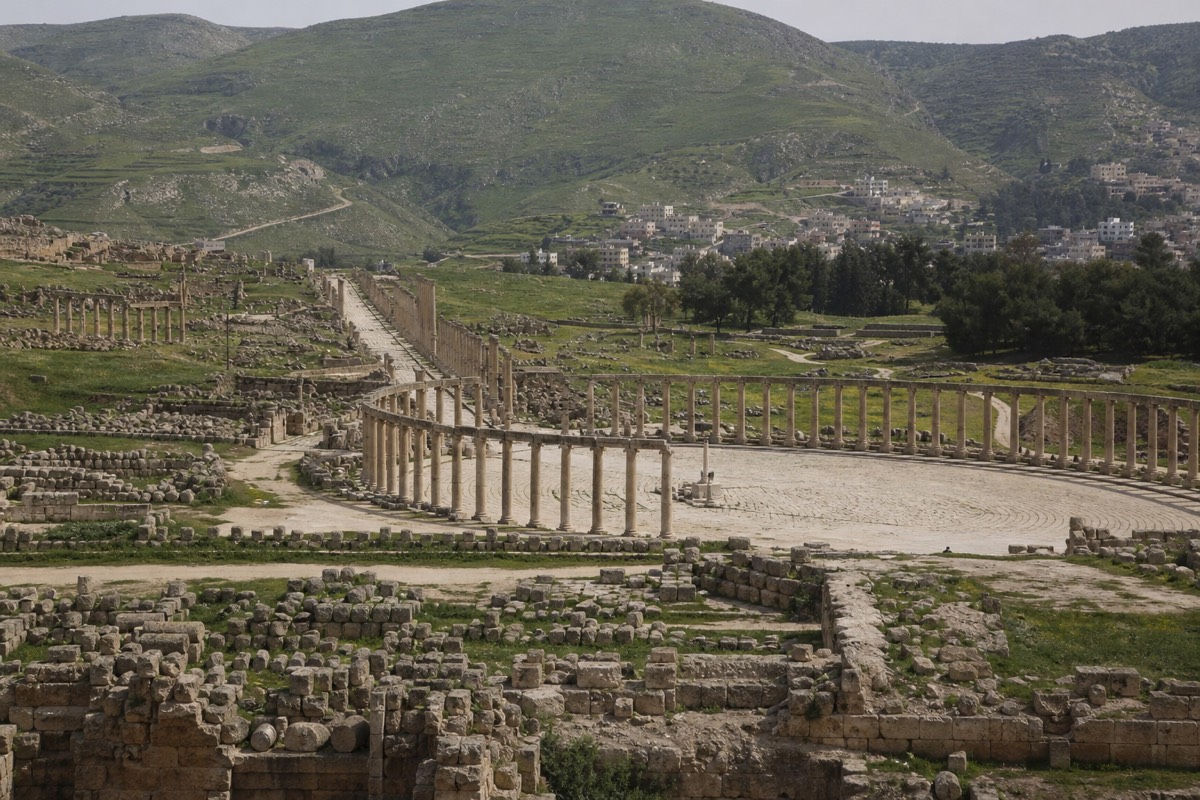
That same emptiness is why the landscape reads as otherworldly even in daylight, which is part of why so many films have used Wadi Rum as a stand-in for Mars and other planets. Under a full sky of stars, the resemblance is even harder to miss.
The area's dark, undeveloped skies are part of why Wadi Rum Protected Area earned UNESCO World Heritage status in 2011, recognized for both its desert landscape and thousands of years of human presence recorded in its rock art and inscriptions. None of that history is visible at night, but the same isolation that preserved it is what makes the sky worth staying up for.
How much colder does it actually get after dark?
The desert cools fast once the sun drops. In summer, daytime averages around 30°C, with peaks well past 40°C, fall to roughly 20°C after dark; in winter, days in the 10 to 15°C range can drop close to or below freezing overnight.
| Season | Typical daytime high | Typical nighttime low |
|---|---|---|
| Summer (June to August) | Around 30°C on average, sometimes past 40°C | Roughly 20°C |
| Winter (December to February) | About 10 to 15°C | Near or below freezing on the coldest nights |
That swing catches people off guard, especially anyone who packed for a hot afternoon jeep ride and nothing else. Camp operators in the area note that dry desert air can't hold onto heat the way humid air does, so the drop after sunset happens fast rather than gradually. Bring a real layer even if you booked in July.
What's the sunrise actually like?
Sunrise over Wadi Rum lights the sandstone cliffs a deep red-orange before the air has warmed up, usually the calmest and coolest hour of the whole visit, and camps typically have coffee or tea ready for anyone up early enough to watch it from outside their tent.
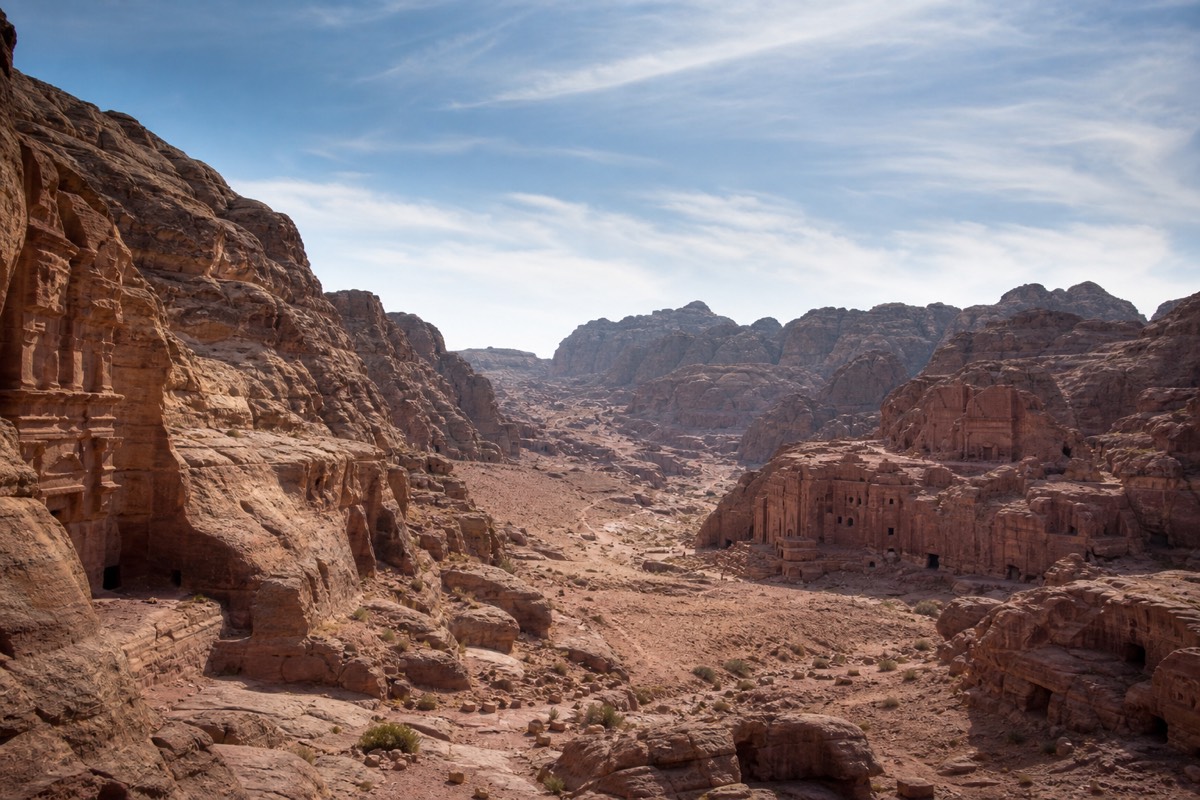
It's a genuinely different light than the golden-hour jeep tours chase in the afternoon, softer and quieter, without another vehicle's dust in the frame. Travelers doing only a day trip miss this entirely, since the earliest jeep departures from Amman or Petra rarely reach the desert before mid-morning.
Bubble tent or traditional Bedouin tent, does it matter here?
For the overnight-or-not decision, not really; both put you under the same dark sky and through the same temperature swing. A bubble tent's clear-panel roof simply lets you watch the stars from bed instead of stepping outside, which is a comfort difference, not a "worth it" difference.
If you're deciding what an actual bubble tent looks like and what it costs to book one, that's a separate question we answer in full in our guide to Wadi Rum's bubble tents. This page is only about whether staying over is worth doing at all, whichever tent style you end up in.
Who should just do a day trip instead?
Travelers on a tight overall Jordan schedule, anyone prioritizing more time in Petra itself, and light sleepers who dislike unheated tents in cold weather are usually better off with a day-trip jeep tour and a hotel bed back in Amman or Wadi Musa.
There's no wrong answer here. A jeep loop genuinely covers the dunes, the rock bridges and the classic photo spots. What it skips is everything that happens after dark, so the decision really comes down to whether that specific experience, the sky and the quiet, is worth a night away from a normal bed.
So is it worth staying overnight in Wadi Rum?
If your trip has any flexibility at all, one night is enough to get the real version of Wadi Rum rather than the highlight reel. The camps handle dinner, the fire, the blankets and the early coffee, so the only real commitment is choosing a departure that allows for it. Multi-day trips like the Petra, Wadi Rum and Dead Sea adventure already build the overnight into the itinerary rather than leaving it as an add-on. If you're trying to work out the timing alongside a Petra visit on the same trip, Petra Jordan Tours lines up the operators running these combined routes, so the two places fit into one clean itinerary instead of two separate bookings.